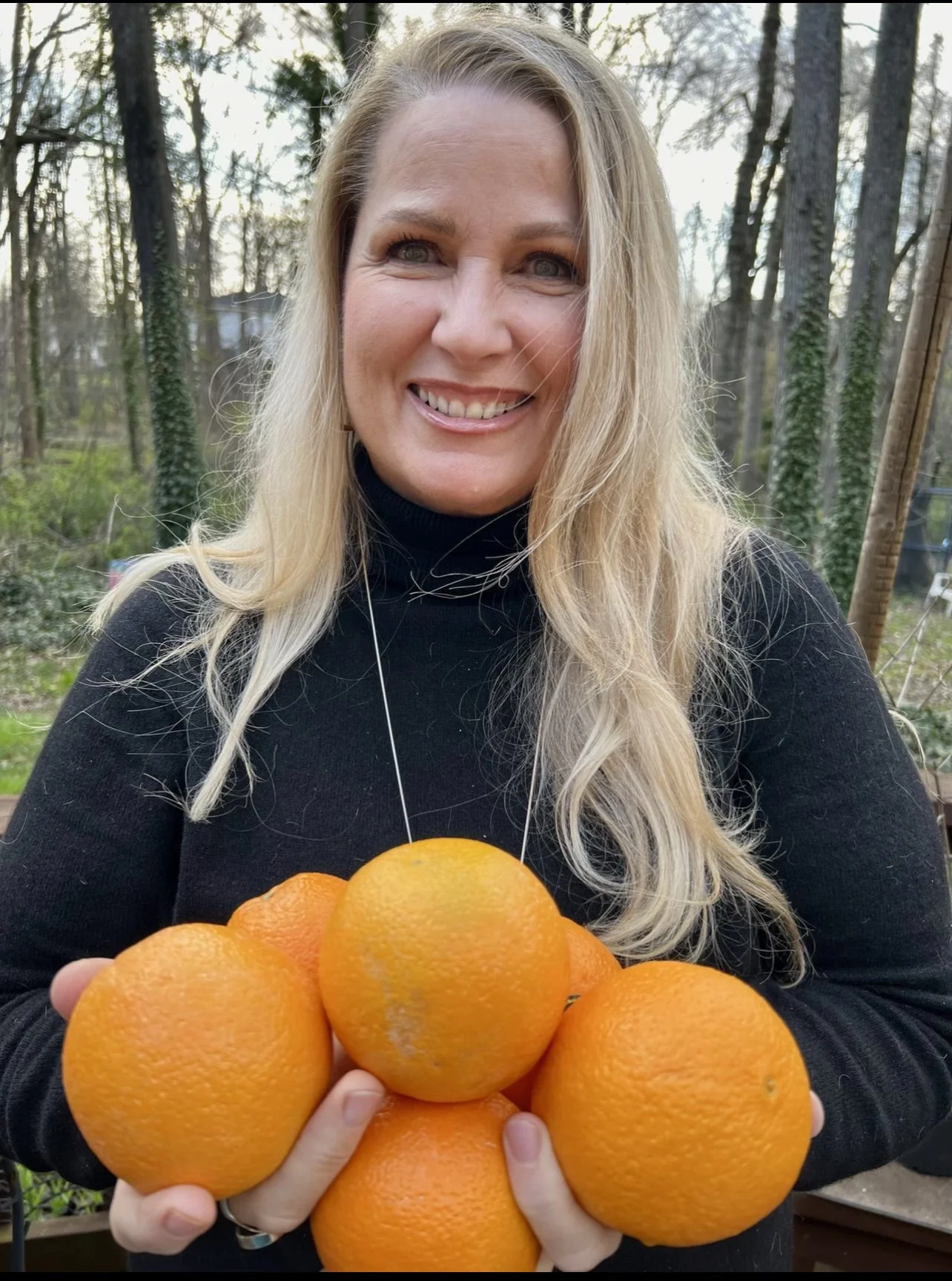
Worth the Wait

How homeopathy and naturopathic medicine support natural fertility and why your body may need more than time
If you are reading this, there is a good chance this road has been longer than you expected.
Maybe you have been trying for a few months and the anxiety is already building. Maybe you have been trying for years, have done all the tests, and been told everything is fine — which is somehow both reassuring and infuriating at the same time. Maybe you have had losses. Maybe you have been through rounds of IVF and you are wondering if there is anything else that can be done alongside it.
Wherever you are on this journey, I want you to know something: your body is not failing you. It is doing its best with what it has. And sometimes what it needs is someone willing to look more carefully at the whole picture — not just the parts that show up on a standard blood panel.
That is what the Natural Fertility Pathway is designed to do.

Fertility is the expression of overall health
This is the most important thing I want you to understand before anything else: fertility is not just about your reproductive system.
It is not just about your ovaries, your uterus, your hormones, or your partner's sperm count, though all of these matter enormously. Fertility is the body's way of saying: I am well enough, safe enough, and resourced enough to support a new life.
When something gets in the way of that, whether it is a thyroid that is slightly out of balance, a gut that is not absorbing nutrients properly, a stress response that has been running at a low simmer for years, or hormonal patterns that have been disrupted by years on the oral contraceptive pill, the body often holds back. Not because it is broken. Because it is wise.
Naturopathic and homeopathic medicine addresses fertility from this whole- body perspective. And in my experience, that is where lasting results live.
What standard testing often misses
Most couples who come to me have already been through the standard fertility investigations. And many have been told everything looks normal. Here are three of the most frequently overlooked factors in fertility — things that I look at in every consultation:
Low progesterone is one of the most common and under-investigated contributors to fertility challenges and early pregnancy loss. Low progesterone can be involved with irregular cycles, heavy bleeds, mood swings, PMT, endometriosis, PCOS, and difficulty conceiving.¹ It is often detected during an initial consultation and confirmed with a simple hormone test — yet it is routinely missed in standard fertility workups.
Thyroid dysfunction — particularly elevated TSH — can directly impact fertility and recurrent miscarriage. Research shows that TSH levels above 2.5 can double the risk of miscarriage, yet many practitioners only investigate if TSH is significantly out of range.² Thyroid antibodies are also important to assess, especially in women with a history of autoimmune conditions.
Subclinical nutrient deficiencies — particularly folate, B12, iron (as serum ferritin, not just haemoglobin), zinc, and vitamin D are extremely common contributors to fertility challenges in both men and women. Vitamin D in particular acts as a hormone in the body, directly supporting follicle development, progesterone production, and sperm motility.³ Optimal levels for fertility are estimated at 75–100 nmol/L — considerably higher than what most practitioners consider "acceptable."

The oral contraceptive pill and what comes after
This is a conversation I have with almost every woman I see in a fertility consultation, and it is one that rarely happens in conventional settings.
Long-term use of the oral contraceptive pill can have lasting effects on fertility. These include disruption to cervical mucus production (which is essential for sperm transport to the egg), suppression of ovulation that takes time to normalise after stopping, depletion of key fertility nutrients including B6, B12, folate, zinc, and magnesium, and emotional and hormonal disturbances that can persist for months.
This is not to frighten anyone who has used the pill. Most of these effects are entirely addressable with the right support. But it is important to understand that coming off the pill is not simply a matter of stopping and waiting. The body often needs active, targeted support to rebalance and this is one of the things homeopathy and naturopathic medicine do extraordinarily well.
What the Natural Fertility Pathway investigates
Fertility is rarely one thing. Here are the key areas we assess and support — because addressing only the obvious layers is why so many couples are still waiting despite doing everything right.
Hormonal picture
Progesterone, oestrogen, thyroid, androgens — the full hormonal picture across the whole cycle, not just snapshots
Nutrient status
Methylfolate, B12, ferritin, zinc, vitamin D — the specific deficiencies that most impact egg quality and conception
Bioenergetic assessment
Qest4 testing to map energetic stress across organ systems, sensitivities, and emotional patterns affecting fertility
Contraceptive history
Post-pill rebalancing — detoxing synthetic hormones, restoring cervical mucus, and supporting ovulation to return
Stress & nervous system
Cortisol dysregulation and chronic stress directly suppress reproductive hormones — this layer is always assessed
The whole person
The homeopathic constitutional picture — grief, anxiety, hope, history — the layer that ties everything else together
Every Natural Fertility Pathway is entirely individualised. No two people receive the same protocol — because no two people are the same, and no two fertility pictures are the same.
The homeopathic approach to fertility
Homeopathy has a long and well-documented history of use in supporting fertility — and it works in a way that is genuinely different from any other approach available.
A German clinical trial showed that twice as many women taking homeopathic medicine fell pregnant compared to those who did not.⁴ This is not surprising to anyone who has watched homeopathy work in a clinical setting — because it works at the level of the whole person, not just the reproductive system.
When I select a homeopathic remedy for a woman navigating fertility challenges, I am not simply prescribing for infertility. I am looking at:
How her cycle feels and functions across every phase
Her emotional landscape — anxiety, grief, hope, fear, pressure
Her constitutional picture — what kind of person she is and how her system typically responds to stress
Any history that may be relevant — losses, trauma, long-term contraceptive use
What her body's vital force needs to restore its own balance
The remedy that matches that picture can shift patterns that have been present for years — often gently and relatively quickly once the right match is found.
Remedies like Folliculinum — derived from natural oestrogen — have a well-established role in stimulating ovulation, supporting healthy cervical mucus production, and balancing the oestrogen-progesterone relationship. Particularly useful after pill use and in conditions like PCOS, endometriosis, and oestrogen dominance.
Both Kim Parry (kimparry.com.au/fertility) and Olivia McFadyen (oliviamcfadyen.com) are exceptional homeopaths who specialise in natural fertility — and their work in this area reflects the depth of what homeopathic medicine can offer. At Superlative Health, I draw on this same rich tradition, integrated with my twenty years of naturopathic clinical experience.

Fertility awareness — working with your biology
One of the most powerful things you can do while supporting your fertility naturally is learn to read your own cycle accurately.
Only around 10% of women actually ovulate on day 14 — yet this is still widely presented as the norm.⁵ Your true fertility window depends on your individual cycle, and the only reliable way to identify it is to track your own signs.
The two most effective methods are:
Cervical mucus monitoring — fertile mucus becomes clear, stretchy, and egg-white in consistency mid-cycle. Without this mucus, sperm cannot travel to fertilise the egg. Its presence — and quality — is one of the most reliable indicators of approaching ovulation.
Basal body temperature (BBT) — your resting temperature rises slightly after ovulation, confirming that ovulation has occurred. Tracking this daily over several cycles gives you a detailed picture of your hormonal patterns.
Your fertility window is typically the five days leading up to ovulation and the day of ovulation itself. Working with your cycle — rather than relying on a period tracking app that estimates based on averages — gives you the real picture.

Nutrition for fertility
Research consistently shows that nutrition has a profound impact on hormonal health and fertility for both men and women.⁶ A Mediterranean- style, anti-inflammatory diet has been shown to improve female fertility, support assisted reproductive technology outcomes, and improve sperm quality in men.
The foods I emphasise most with fertility patients:
Healthy fats — avocado, olive oil, oily fish. High in unsaturated fats shown to improve fertility and support hormone production.
Colourful vegetables and berries — powerful phytonutrients that protect egg and sperm from oxidative damage.
Greens — a nutritional powerhouse rich in protein, B vitamins, and choline, which is critical for foetal brain development yet absent from many prenatal supplements.
Fiber with every meal — essential for hormone synthesis and blood sugar stability.
Reduced alcohol and processed foods — research shows more than six alcoholic drinks per week is associated with reduced odds of conception.⁷
A note on prenatal supplements: not all prenatals are created equal. I recommend supplements containing methylfolate rather than folic acid (some women cannot convert folic acid efficiently due to genetic variations), iron in a gentle, absorbable form, and at least 100mg of choline. These details matter.

The Natural Fertility Pathway
This pathway was designed for the couple who is ready to take a thorough, whole-body approach, whether they are just beginning to try, have been trying for some time, or are preparing for or supporting an IVF cycle.
It brings together everything I have described above: a full naturopathic health assessment, Qest4 bioenergetic testing, homeopathic remedy selection, reflexology, nutritional guidance, and follow-up support —all coordinated into a programme designed to give your body the best possible conditions for conception.
This work takes time. But it works. And it works in a way that supports not just conception, but the health of your pregnancy and your future child.
You are not out of options. You are in the right place.
"Fertility is the expression of overall health. When the whole body is well supported — hormonally, nutritionally, energetically, and emotionally — the body's natural capacity to conceive so often follows. You are not out of options."
The Natural Fertility Pathway
A whole-body naturopathic and homeopathic programme for couples ready to take a thorough approach to natural conception
- Full naturopathic health assessment — hormones, thyroid, nutrients, cycle history, contraceptive history
- Qest4 bioenergetic assessment — mapping energetic stress across all systems
- Homeopathic remedy selection — individualised to your whole constitutional picture
- Reflexology session — supporting reproductive, endocrine, and nervous system reflex points
- Nutritional guidance — fertility foods, targeted supplementation, cycle-synced nutrition
- Follow-up appointments at 4 and 8 weeks — to track, adjust, and deepen the work
- Private Practice Better portal — direct access to Melody between sessions
Melody recommends
Sources & Further Reading
Bukulmez O, Arici A. Luteal phase defect: myth or reality. Obstet Gynecol Clin North Am. 2004; 31(4): 727–744.
Negro R, Schwartz A, Gismondi R, et al. Thyroid antibody positivity in the first trimester of pregnancy is associated with negative pregnancy outcomes. J Clin Endocrinol Metab. 2011; 96(6): E920–924.
Lerchbaum E, Obermayer-Pietsch B. Vitamin D and fertility: a systematic review. Eur J Endocrinol. 2012; 166(5): 765–778.
Gerhard I, Reimers E, Keller C, Schmuck G. Weibliche Fertilitätsstörungen— Vergleich komplementärer und schulmedizinischer Therapien. (Female fertility disorders — comparison of complementary and conventional therapies.) Forsch Komplementärmed. 1993.
Wilcox AJ, Dunson D, Baird DD. The timing of the fertile window in the menstrual cycle. BMJ. 2000; 321(7271): 1259–1262.
Gaskins AJ, Chavarro JE. Diet and fertility: a review. Am J Obstet Gynecol. 2018; 218(4): 379–389.
Hakonsen LB, Kesmodel US, et al. Alcohol consumption and fertility. Acta Obstet Gynecol Scand. 2013.