Neuro- Muscular THERAPY
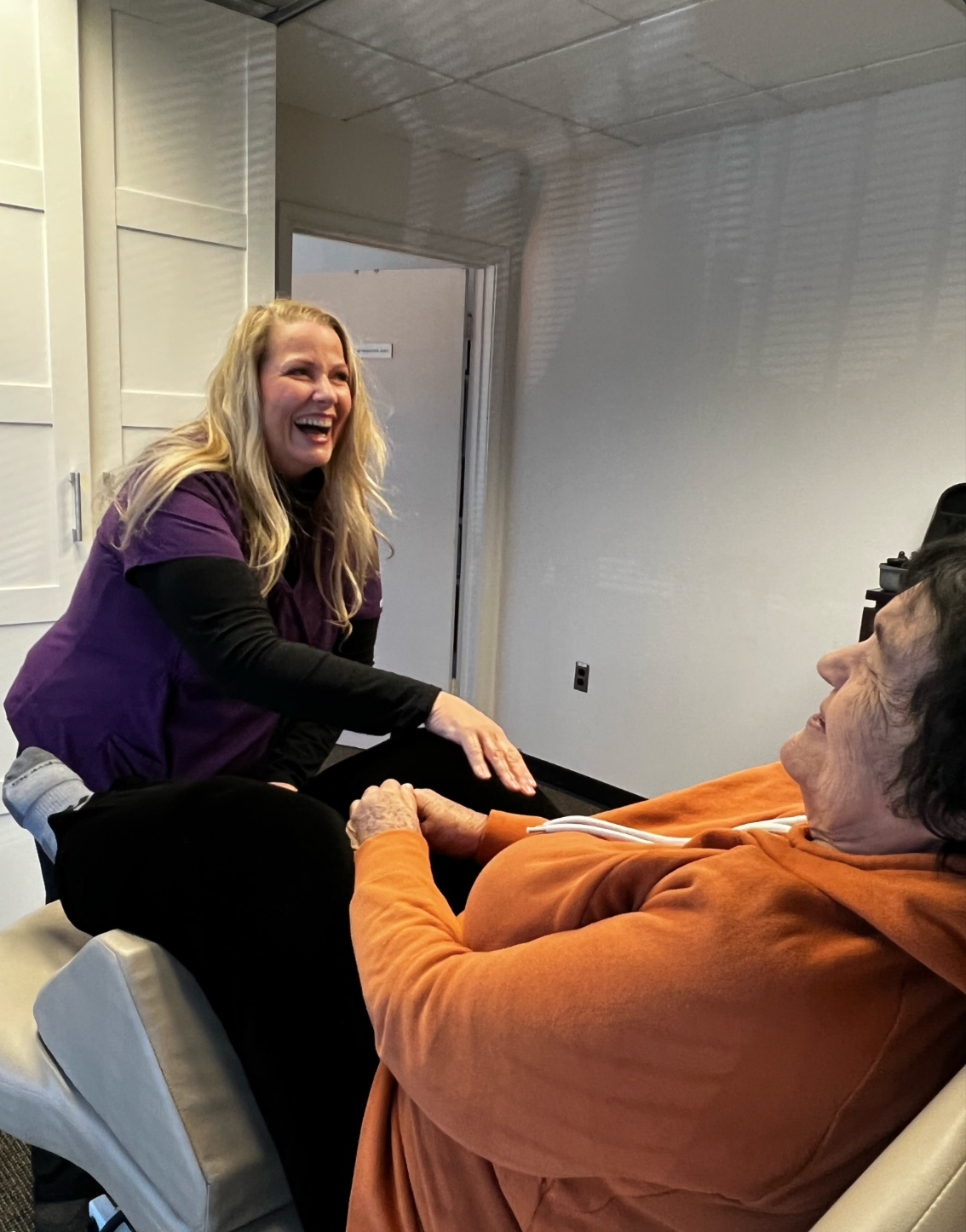
The nervous system, chronic pain, and the precise hands-on discipline that changes both
Where I Learned This
I want to begin with the lineage of this work, because it is not incidental to what I do. It is the foundation of how I do it.
Neuromuscular Therapy American Version was developed and refined by Judith DeLany, one of the most significant figures in the history of manual therapy in the United States. DeLany worked alongside Paul St. John for five years in the mid-1980s, assisting in the development of NMT techniques and protocols for massage therapy application, before separating her work in 1989 to develop her own distinct system, NMT American Version. What she built from that foundation became one of the most rigorously trained, anatomically precise, and clinically effective approaches to soft tissue pain management in the world.
Since becoming a Neuromuscular Therapist in 1984, DeLany has emerged as a leading pioneer in the field, refining and developing methods of teaching NMT American Version over more than three decades as a clinician and educator. She is the founder and director of the International Academy of NeuroMuscular Therapies, a certifying body that sets standards for the training of healthcare practitioners across massage therapy, physical therapy, occupational therapy, nursing, athletic training, chiropractic, dentistry, and medical offices.
I was mentored by Judith DeLany directly. Obtaining this certification was not a weekend course. It required deep study of neurology and how the nervous system influences every muscle in the body, rigorous training in palpation and soft tissue assessment, and the clinical hours necessary to develop the precision of touch and assessment that NMT demands.
In Europe, only practitioners with specific advanced credentials are permitted to practice Neuromuscular Therapy. DeLany fought to bring this standard of training to the United States and to establish it as a legitimate, certifiable clinical discipline here. I take the privilege of that training seriously in every session I conduct.
What NMT American Version Actually Is
NeuroMuscular Therapy American Version is a precise and thorough examination of all soft tissues that may be responsible for myofascial pain and dysfunction, with consideration for a number of other perpetuating factors that may sustain the condition.
The word "precise" is not casual here. NMT is not generalized pressure applied to areas of complaint. It is a systematic, protocol-driven assessment of the entire soft tissue landscape relevant to a patient's pain pattern, conducted with hands that have been trained to read what they find in the tissue, and treated with specific manual techniques applied at the exact location, depth, and direction that the tissue requires.
During the last several decades, NMT has emerged as a significant methodology for assessing, treating, and preventing soft tissue injuries and chronic pain. NMT, a series of manual treatment protocols based on the practitioner's skill, anatomy knowledge, and precise palpatory application, has found its home not only in the treatment rooms of massage therapy, but also in occupational and physical therapy, nursing, chiropractic, osteopathic, and physical medicine clinics worldwide, as well as in many forward-looking primary care practices.
The five foundational principles that NMT addresses in every session are
postural distortion,
biomechanical dysfunction,
trigger points,
nerve compression and entrapment, and
ischemia.
Each of these is a distinct mechanism by which the soft tissue system can generate, perpetuate, and amplify pain, and each requires a specific assessment and treatment approach. When all five are addressed systematically, the clinical result is qualitatively different from what any single-focus approach can achieve.
The Neurology of Pain — Why "Neuro" Is the Most Important Part of the Name
To understand why Neuromuscular Therapy works the way it does, you need to understand something about how pain actually works in the body. Most people think of pain as a direct readout of tissue damage, the more damaged the tissue, the more pain. The research on pain neuroscience tells a more complex and more interesting story.
Your nervous system is an electrical system. Every sensation you experience, including every pain signal, travels through your body as an electrical impulse carried along nerve fibers from the site of origin to the spinal cord and then to the brain. The brain receives that signal and makes a decision about whether to generate the experience of pain and at what intensity. That decision is not simply a passive relay. It is an active, interpretive process influenced by the history of previous pain experiences, the current state of the nervous system, emotional context, stress load, and the degree to which the nervous system has become sensitized over time.
The brain and nervous system learn to keep producing pain signals, even when those signals are no longer helpful. This is the mechanism underlying chronic pain, and it is one of the most important things I explain to patients who have been in pain for months or years without a clear ongoing tissue injury to justify it. The nervous system has been trained, through repetition and reinforcement, to generate a pain response that has outlived the original injury or stressor that caused it. The tissue has healed. The pain signal has not been updated.
The electrical stimulation of specific nerve pathways closes the gate that allows pain signals to reach the brain. This is the Gate Control Theory of pain, first proposed by Melzack and Wall in 1965 and now foundational to pain neuroscience. It explains why rubbing a sore area instinctively provides relief, why certain manual techniques immediately reduce pain perception, and why precisely applied pressure to the right tissue at the right location can produce changes in pain experience that far exceed what the mechanical pressure alone would explain.
Every muscle in your body is governed by the nervous system. Its resting tone, its ability to contract and release, its tendency to develop trigger points and areas of chronic hypertonicity, its contribution to postural distortion and biomechanical dysfunction, all of it is ultimately a function of the neurological input that muscle is receiving. This is why studying neurology was a required component of my NMT certification. You cannot accurately treat the muscle without understanding the nervous system that runs it.
Trigger Points — The Electrical Hotspots in Your Tissue
One of the most important concepts in NMT is the trigger point, and it deserves specific explanation because it is both one of the most clinically significant sources of pain and one of the most consistently missed in conventional assessment.
A trigger point is a hyperirritabile nodule within a taut band of skeletal muscle, a localized area of sustained electrical activity in which the muscle fibers have become locked in a state of contraction they cannot self-release. Trigger points generate pain locally, but more importantly they refer pain to predictable distant sites, following patterns that have been mapped extensively in the clinical literature first by Janet Travell, the physician who treated President Kennedy's chronic back pain and became the first female physician to serve the White House.
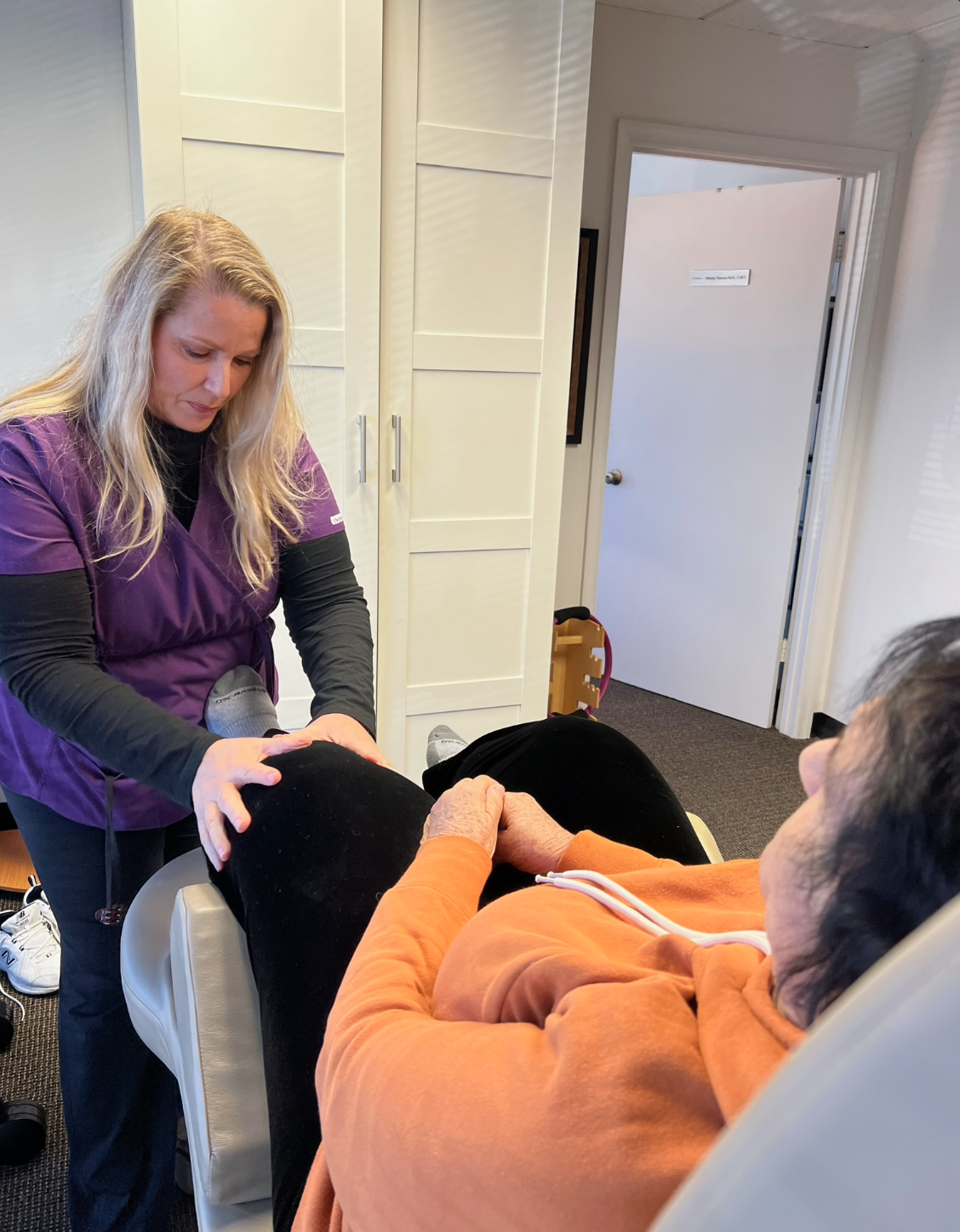
This referral pattern is the reason why so much pain is treated in the wrong location. The patient has knee pain. The trigger point generating it is in the quadriceps or the hip. The patient has headaches. The trigger points generating them are in the suboccipital muscles, the upper trapezius, or the sternocleidomastoid. The patient has jaw pain. The trigger points generating it are in the masseter, the pterygoids, or the cervical muscles. Treating the site of pain without finding and deactivating the trigger point that is generating it produces temporary relief at best.
My NMT training gave me the assessment skills and the manual technique to systematically find and deactivate trigger points throughout the body, addressing the actual source of referred pain rather than its location.
What NMT Treats — The Full Clinical Picture
The range of conditions that respond to Neuromuscular Therapy is broad, because the soft tissue and neurological mechanisms it addresses are involved in virtually every musculoskeletal pain pattern the body can produce.
Conditions I treat regularly with NMT include
chronic neck pain
cervicogenic headaches,
tension headaches and migraines
with muscular drivers,
shoulder pain including
rotator cuff dysfunction and
frozen shoulder,
thoracic outlet syndrome,
chronic low back pain and
lumbar dysfunction,
sciatica and
piriformis syndrome,
hip pain and
dysfunction,
knee pain including
IT band syndrome and
patellofemoral dysfunction,
plantar fasciitis,
TMJ dysfunction and
jaw pain,
carpal tunnel syndrome and
repetitive strain injuries,
postural pain patterns from prolonged desk work or screen use,
sports injuries in both acute and chronic phases,
post-surgical scar tissue and
adhesion management,
fibromyalgia and
widespread myofascial pain, and
nerve compression and
entrapment syndromes throughout the body.
The common thread across all of these is a soft tissue and neurological component that standard medical management addresses inadequately, and that precise, skilled NMT assessment and treatment can reach in a way that produces meaningful and lasting change.
How I Work — What a Session With Me Looks Like
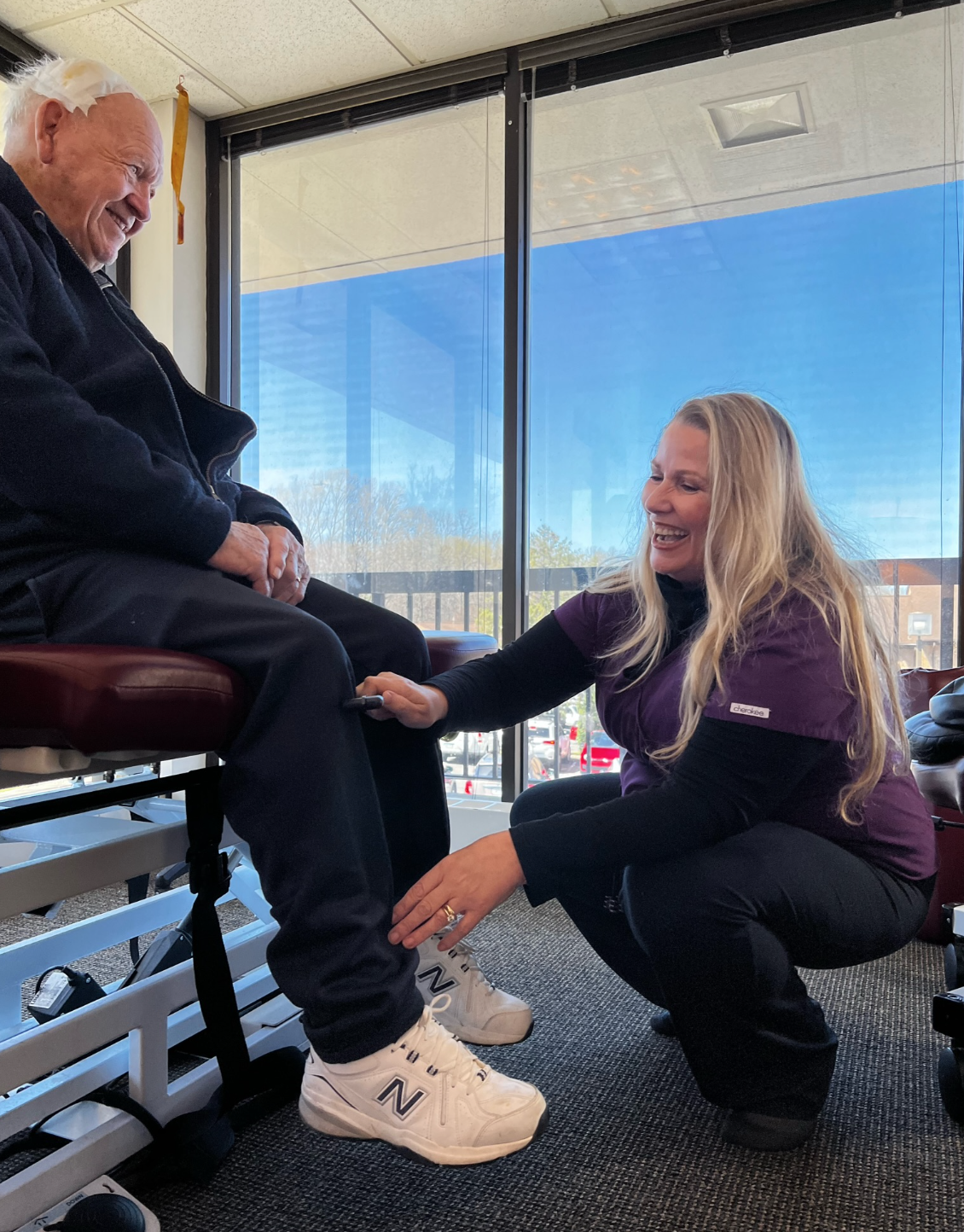
Every NMT session I conduct begins with assessment, not treatment. I need to understand the full picture before my hands begin working, because what appears to be the problem is frequently not where the problem originates.
I assess posture, movement patterns, and the specific biomechanical compensations the body has developed around the pain. I assess soft tissue quality through palpation, identifying areas of hypertonicity, trigger points, fascial restriction, and nerve compression. I assess the neurological component, considering which nerve pathways are involved in the pain pattern and how the nervous system's current state is influencing the tissue I am finding.
From that assessment I build a systematic treatment that addresses the actual drivers of the pain. I use the medium-paced gliding strokes that characterize American NMT to identify contracted bands and nodules throughout the relevant tissue, apply specific ischemic compression to deactivate trigger points, address fascial restrictions through myofascial release, and integrate Neuromuscular Therapy with the other modalities in my clinical toolkit including Active Release Technique, Positional Release, Muscular Energy Technique, and Craniosacral Therapy as the tissue indicates.
I do not apply a formula. I follow what the tissue tells me, session by session, patient by patient. The nervous system that is running your pain pattern is unique to you, and the treatment that addresses it needs to reflect that.
Two Things You Can Do Right Now — Until You Come See Me
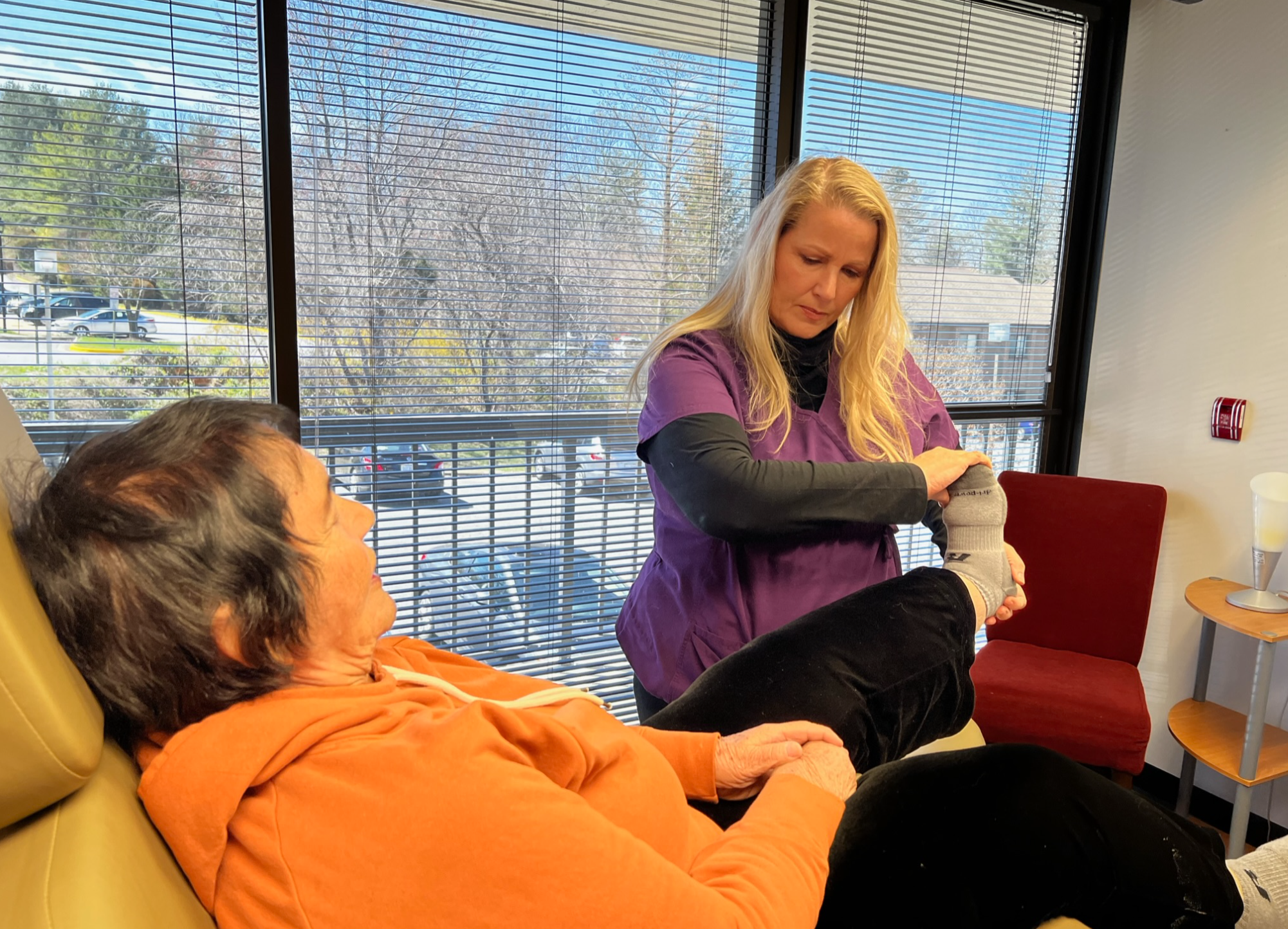
I want to give you something practical for the time between now and your appointment, because I know that chronic pain does not wait for convenient scheduling. These two practices will not replace what NMT can do with skilled hands, but they will support your nervous system and soft tissue in meaningful ways in the interim.
1. Sustained Pressure Self-Release for Trigger Points
Find the area of your body that is generating the most persistent pain or tension. Using your thumb, a tennis ball, or a firm massage ball, locate the most tender point within that area. The correct point will often feel like a nodule or a cord within the muscle, and pressure on it will produce a recognizable, slightly intense sensation that often refers or radiates somewhere familiar.
Apply firm, sustained pressure to that point and hold it without moving. Do not rub. Do not vibrate. Simply hold the pressure at a level that you would rate as a 6 or 7 out of 10, uncomfortable but tolerable. Breathe slowly and deliberately throughout. Hold for 60 to 90 seconds, or until you feel the tissue begin to soften and the intensity of the sensation reduce under your pressure.
What you are doing is applying ischemic compression to the trigger point, temporarily reducing blood flow to the hyperirritable area and then allowing a reactive hyperemia, an increase in blood flow, when the pressure is released. This interrupts the sustained electrical activity in the trigger point and allows the muscle fibers to begin releasing their held contraction. It is not a cure, and it will not deactivate a trigger point as completely or as precisely as trained hands can, but done consistently it provides genuine relief and begins the process of interrupting the neurological pattern that is perpetuating the pain.
2. Diaphragmatic Breathing to Downregulate the Pain-Amplifying Nervous System
Chronic pain and chronic nervous system activation are a self-reinforcing loop. Pain activates the sympathetic nervous system. Sympathetic activation increases muscle tension, increases pain sensitivity, and amplifies the pain signal. More pain produces more sympathetic activation. Around and around it goes.
Breaking that loop requires accessing the parasympathetic nervous system, and the most direct and reliable way to do that is through slow, deliberate diaphragmatic breathing.
Lie on your back with one hand on your chest and one hand on your abdomen. Breathe in slowly through the nose for a count of four, directing the breath down into the belly so that the hand on your abdomen rises while the hand on your chest stays relatively still. Hold gently at the top for a count of two. Exhale slowly through the mouth for a count of six, allowing the abdomen to fall completely.
The extended exhale is the most important part. The exhale activates the vagus nerve, directly stimulating the parasympathetic nervous system and reducing the sympathetic tone that is amplifying your pain. Electrical stimulation of the pain gate works on the same principle as the manual techniques I use, in that both interrupt the pain signal's pathway to the brain. Diaphragmatic breathing does this through the autonomic nervous system rather than the tissue directly, but the mechanism of pain reduction is real and measurable.
Ten minutes of this practice before sleep, and again any time pain is at its most intense, will produce a genuinely different experience of the pain within a single session of consistent practice. Over time, done daily, it begins to retrain the nervous system away from the chronic sympathetic overdrive that has been amplifying your pain, and toward the regulated, lower-sensitivity baseline your body is designed to maintain.
Come see me when you are ready. The nervous system that is running your pain is not fixed. It is trainable, and skilled hands that know exactly where to find what is perpetuating your pattern can change things that years of other approaches have not been able to reach.
→ It’s time to feel surperlative
Neuromuscular Therapy is available at Superlative Health as part of Melody's clinical bodywork practice, in-clinic in Burke, Virginia. Sessions are tailored entirely to your individual pain pattern and assessment findings.
If you have been living with chronic pain that has not fully resolved with other approaches, I would like to assess your full soft tissue and neurological picture and find out what is actually driving it.
→ Book My Neuromuscular Therapy Session at Superlative Health