
A Well Family
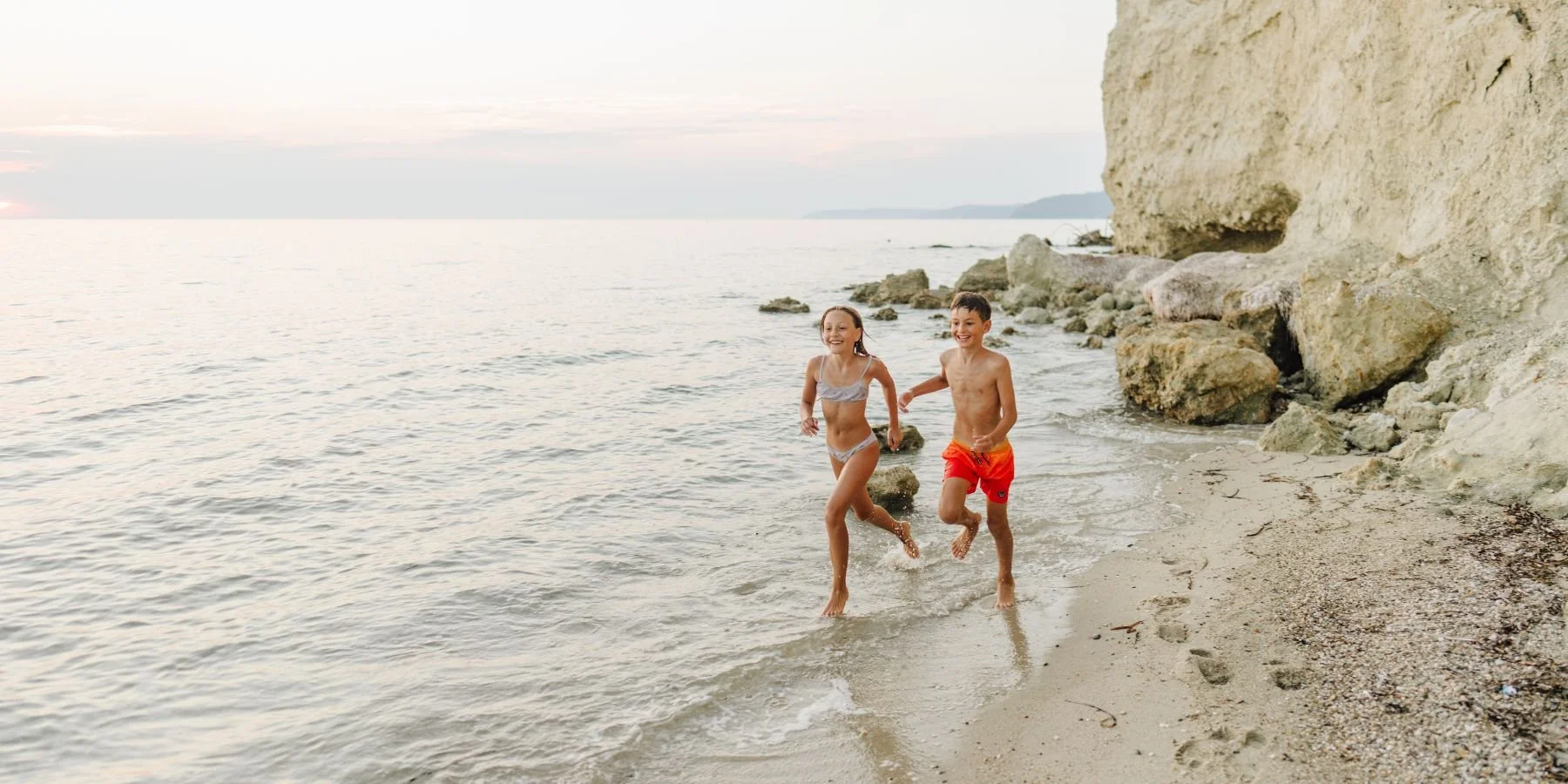
Simple, natural ways to support your family's health this summer, from the youngest to the oldest
Summer has a particular quality that the rest of the year does not.
More time outside. More sun on skin. More movement, more water, more food from the garden and the farmers market. Children running in bare feet. Late evenings with the windows open. A slower pace, for most families, than the school year allows.
From a health perspective, summer is genuinely one of the most abundant seasons the body experiences. And it is also, if we are not paying attention, a season when some of the foundations of good health quietly slip — the sleep schedule gets irregular, the diet becomes more processed, the hydration does not keep up with the heat, and the body's immune and nervous systems are working harder than we realise.
Here is how to lean into what summer offers and protect the parts that need a little more attention.

The sun is medicine. Use it well.
Vitamin D is produced in the skin in response to UVB sunlight and it is one of the most important nutrients the body has for immune regulation, hormonal balance, mood, cardiovascular health, and bone density. The majority of people, including children, are deficient. Summer is the single most powerful natural opportunity to address that.
Twenty minutes of midday sun on the arms and legs without sunscreen is enough for most fair-skinned people to generate a meaningful vitamin D pulse. Darker skin tones require longer exposure for the same production. The key is some unprotected sun exposure before applying protection for extended outdoor time.
For families: make morning outdoor time a daily ritual. Even ten to twenty minutes of sun exposure in the morning anchors the circadian rhythm, supports vitamin D production, and sets the body's melatonin timer for better sleep that night. Two benefits from one simple habit.
Hydration is not just water
The single most common health complaint in summer, across all ages, is dehydration presenting as headaches, fatigue, irritability, and difficulty concentrating. And the most common reason for it is that people drink water without replacing the minerals that sweat takes with it.
Your cells do not hydrate with water alone. They hydrate with electrolytes, the mineral salts that govern fluid movement in and out of cells. When you sweat, you lose sodium, potassium, magnesium, chloride, and trace minerals. Replacing only the water without the minerals leaves cells unable to absorb and retain what they need.
For families in practical terms: add a pinch of good quality sea salt to your water bottle. Add ionic trace minerals to water daily. Eat water-rich foods. And watch children for the signs of mild dehydration, irritability and difficulty regulating emotions appear before thirst or headache does.

Eat what summer is actually offering
There is a kind of eating that only happens in summer, and it is unlike any other eating available to us across the year.
It happens at a farmers market on a Saturday morning when you find a vendor you have never seen before and they hand you a sample of something still warm from the field. It happens when you drive out to a farm stand in peak berry season and come back with stained fingers and juice on your face and a car full of fruit you need to freeze before it turns. It happens when the tomatoes finally look like tomatoes — deeply coloured, fragrant in a way that a shipped tomato never is, tasting like what they are actually supposed to taste like.
This is not romantic nostalgia. This is nutrition. And the difference between food eaten at the peak of its season, grown in living soil nearby, and food shipped across the country in a refrigerated truck is not small. The vitamin and polyphenol content of freshly harvested produce begins declining within hours of picking. Local seasonal food is not a lifestyle preference. It is meaningfully more nourishing food.

Know your farmers
There is something that happens when you shake the hand of the person who grew your food.
You begin to understand what it actually takes. The early mornings. The weather watching. The years of learning a particular piece of land. The genuine pride in a good harvest. When you know the farmer, you eat differently. You waste less. You cook with more intention. And you find yourself at the farmers market every week not because it is the virtuous thing to do but because you genuinely want to be there.
If you have a farmers market within reasonable distance, I encourage you to make it a summer ritual. Talk to the vendors. Ask what is coming next. Ask what they love to eat from their own farm. These conversations change your relationship with food in ways that no amount of nutrition content ever fully does.
And if you can visit the farm itself — many farms offer open days, u-pick berry season, or simply welcome visitors who ask — do it with your family. Watching children understand where food comes from, touching the soil, seeing the scale of what it takes to grow one box of strawberries, is one of the most quietly powerful health education moments available to any family.
What is a CSA and why it might be the best food decision you make this year
CSA stands for Community Supported Agriculture. It is one of the most practical and impactful ways to eat seasonally without having to think about it too hard.
Here is how it works: you pay a local farm upfront at the start of the season — typically a few months at a time — and in return you receive a weekly box of whatever that farm is harvesting. The food arrives at its peak. It has usually been picked within 24 to 48 hours of arriving in your kitchen. It is genuinely seasonal, which means it rotates as the weeks progress and trains you, without any effort, to eat with the rhythms of your local climate and soil.
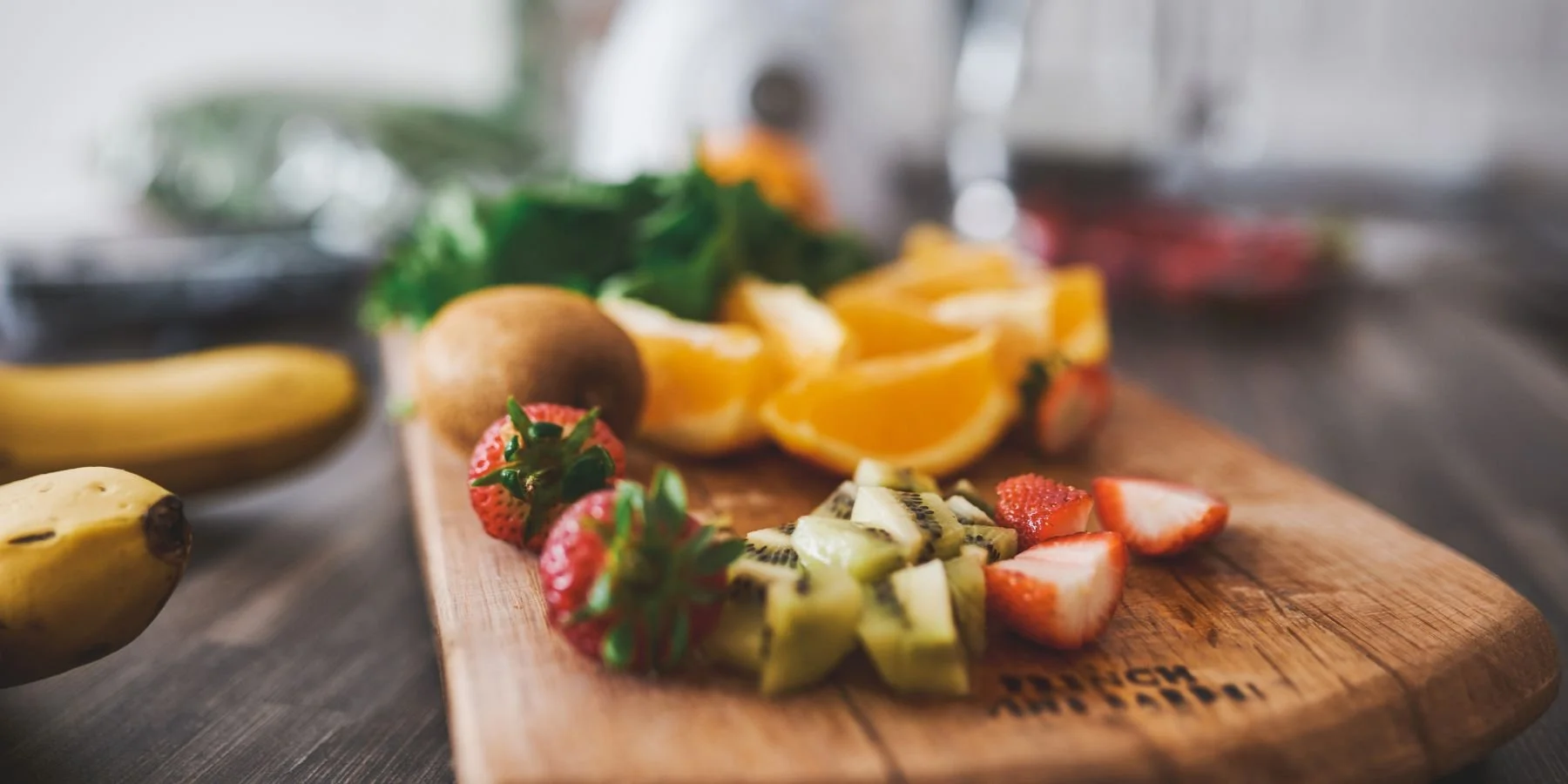
Most CSA schemes offer add-ons alongside the vegetable box. A fruit and berry box in summer is one of the most worth-it additions you can make. Blueberries, raspberries, blackberries, and peaches at the peak of their season are nutritionally in a different category to their shipped equivalents. The polyphenol and anthocyanin content of a freshly picked berry is substantially higher than a berry that has been refrigerated and transported. Your microbiome can tell the difference. Your taste buds certainly can.
How to find a CSA near you: Search "CSA farm" plus your city or county, or visit Local Harvest at localharvest.org — the most comprehensive directory of CSA farms in the United States. Many farms also list on farmigo.com or through your local farmers market.
When you find one, ask about add-ons. Ask about u-pick days. Ask whether they welcome visits. Most farmers who run a CSA are doing it because they want the people eating their food to understand it. They are usually delighted to be asked.
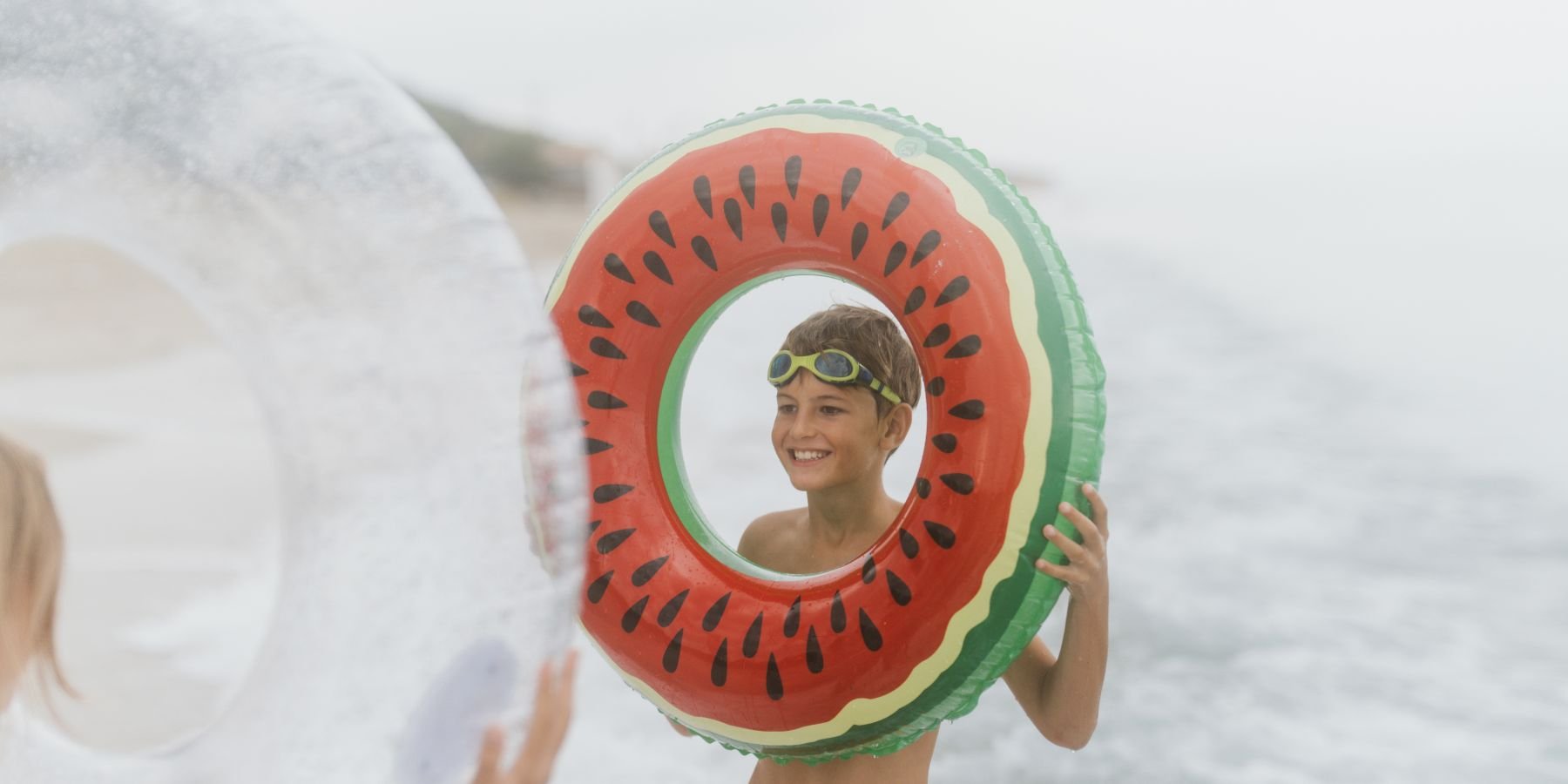
The seasonal berry moment — do not miss it
There is a window every summer, different in every region, when the berries are at their absolute peak. In Virginia and across much of the South that window runs from late May through August — strawberries first, then blueberries, then raspberries, then blackberries.
This window is worth planning around. It does not last long. And the difference between eating a berry in that window — warm from the cane, so ripe it barely survives the journey from field to mouth — and eating the same berry three weeks later from a punnet in the supermarket is not a marginal difference. It is a different food.
Drive to the valley. Go to the u-pick farm. Eat until your fingers are stained and there is juice on your face and your children have turned briefly feral with the pleasure of it. Bring home more than you can eat in a week and freeze the rest. A bag of local summer raspberries frozen at peak season and added to your morning yoghurt in February is a small act of seasonal abundance extended through the winter.
This is what eating with the season actually looks like. Not a philosophy. Not a meal plan. Just a drive, a farm, and the particular joy of food that has not forgotten what it is.
Virginia berry season and seasonal eating guide
The window for local seasonal berries is short and worth planning around. Here is when each berry peaks in Virginia and the South, alongside how to find your nearest CSA.
Virginia and Southern berry season — when to go
Strawberries
Late May to mid-June — the first berry of the season
Blueberries
June to mid-July — highest anthocyanin concentration
Raspberries
June to July — highest fiber content of any summer berry
Blackberries
July to August — rich in ellagitannins and vitamin K
Peaches
Late July to August — Virginia grows exceptional peaches
Community Supported Agriculture
Find your local CSA this week
Pay a local farm upfront and receive a weekly box of whatever is at peak harvest. Most CSA farms offer fruit and berry add-ons in summer — the single best way to eat seasonally without having to plan it yourself.
What to do at the farmers market
Sleep in summer: what changes and why
Summer disrupts sleep in two specific ways worth understanding.
Light exposure in the evening: the longer daylight hours delay the body's melatonin production unless you are intentional about dimming your indoor environment after sunset. For children especially, this can significantly delay sleep onset and compress total sleep time without anyone realising what is happening.
Heat: core body temperature must drop to initiate sleep. Warm nights make this harder. A cool bath before bed, a fan or air conditioning, and breathable natural bedding all support the temperature drop that good sleep requires.
For families: a consistent bedtime even in summer is one of the highest- leverage health habits available. Children's sleep is foundational to immune function, emotional regulation, growth hormone release, and cognitive development. Summer bedtime creep is real and it has real consequences. Protect sleep time as a non-negotiable.
Immune health in summer
Summer is not cold and flu season, but the immune system is still working. More time outdoors means more exposure to environmental pathogens. Travel, crowded pools and beaches, different foods, and disruption of normal routines all create additional immune load.
The gut houses approximately 70 percent of the immune system. Supporting it through summer is one of the most effective things you can do for the whole family's resilience.
Practical immune support for every age includes a quality probiotic particularly for children who have been on antibiotics recently, zinc through ionic trace minerals, vitamin C from seasonal whole food sources, and sufficient protein at every meal since immune cells are made of protein and summer eating often trends lighter.
Build your summer first aid kit
Tap each remedy to add it to your kit. These five cover most of what summer can throw at a family — and all are safe for every age, with no drug interactions.
Tap a remedy to start building your kit.
Arnica 30c
Bruising, muscle soreness, falls, bumps. The first remedy in almost every first aid situation.
Apis Mellifica 30c
Bee stings and insect bites with swelling, redness, and hot stinging sensation.
Ledum 30c
Puncture wounds, tick bites, insect stings. Melody's first remedy after a tick bite.
Belladonna 30c
Sudden fever with hot red skin. High heat, flushed cheeks, rapid onset — especially in children.
Calendula Cream
Sunburn, minor cuts, abrasions, skin healing. Applied topically it accelerates recovery remarkably.
Summer health foundations
Sun daily
20 minutes morning sun anchors circadian rhythm and builds vitamin D
Minerals not just water
Add ionic trace minerals to water daily — replace what sweat removes
Protect sleep
Dim lights after sunset, keep bedtime consistent even in summer
Bare feet outside
Grounding on grass or soil reduces cortisol and inflammation — free medicine
"Summer is one of the most generous seasons for health if you use it with intention. The sun, the movement, the seasonal food, the bare feet in the grass — these are not small things. They are medicine that has been available since the beginning of human biology."
Homeopathy for the summer first aid kit
This is one of my favourite topics because it is so immediately practical.
A small homeopathic first aid kit is one of the most sensible health investments a family can make. Homeopathic remedies are safe for all ages, have no drug interactions, and can be used immediately before you have reached the doctor or before the situation has escalated to needing one.
For summer specifically:
Arnica 30c — the first remedy for any physical injury, bruising, muscle soreness after activity, falls, and bumps. Give it immediately.
Apis Mellifica 30c — for bee stings and insect bites with swelling, redness, and a stinging burning sensation
Ledum 30c — for puncture wounds, tick bites, and insect stings. This is Melody's first remedy after a tick bite.
Belladonna 30c — for sudden fever with hot red skin, especially in children. High heat, flushed cheeks, and rapid onset.
Calendula cream — for skin healing, sunburn, minor cuts and abrasions. Applied topically it accelerates healing remarkably.
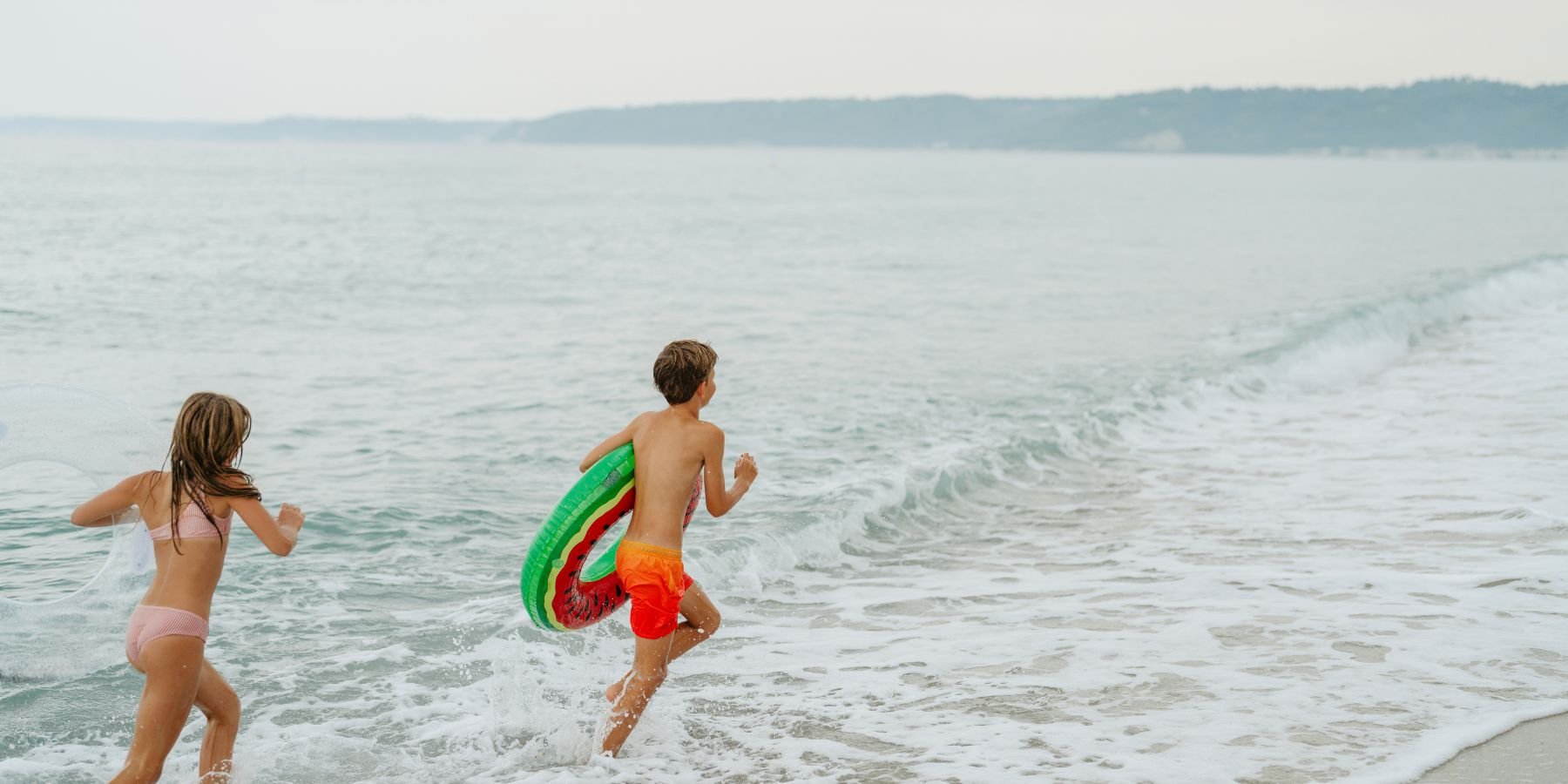
Movement and nature as medicine
Summer is the easiest season to remember what the body is for.
Grounding: walking barefoot on grass, soil, sand, or any natural surface — allows the body to absorb electrons from the earth's surface. Research published in the Journal of Environmental and Public Health found that grounding reduces inflammatory markers, cortisol levels, and pain, and improves sleep and energy.¹ It is completely free and available to every family every day of summer.
Swimming in natural bodies of water provides full-body low-impact movement and is among the most effective nervous system regulation activities available to children and adults alike.
Use summer well. The body is paying attention.
"I have raised five children and now have seventeen grandchildren. Summer health is something I care about deeply and personally. The simple things done consistently make the most difference — sun, minerals, sleep, movement, and a small kit of homeopathic remedies ready for whatever summer brings."
Melody recommends for the whole family this summer
Want personalised family health support?
Book a consultation with Melody for yourself or your whole family — in person in Virginia or online from anywhere.
TO BOOK NOWSources and Further Reading
Chevalier G, Sinatra ST, Oschman JL, Sokal K, Sokal P. Earthing: health implications of reconnecting the human body to the Earth's surface electrons. Journal of Environmental and Public Health. 2012.
National Institutes of Health. Vitamin D Fact Sheet for Health Professionals. Updated 2024. ods.od.nih.gov/factsheets/VitaminD-HealthProfessional/
Bergqvist J, Schiöler L, Rosengren A, et al. Magnesium intake and risk of cardiovascular disease. BMC Medicine. 2021.
These are lovingly recommended for you…
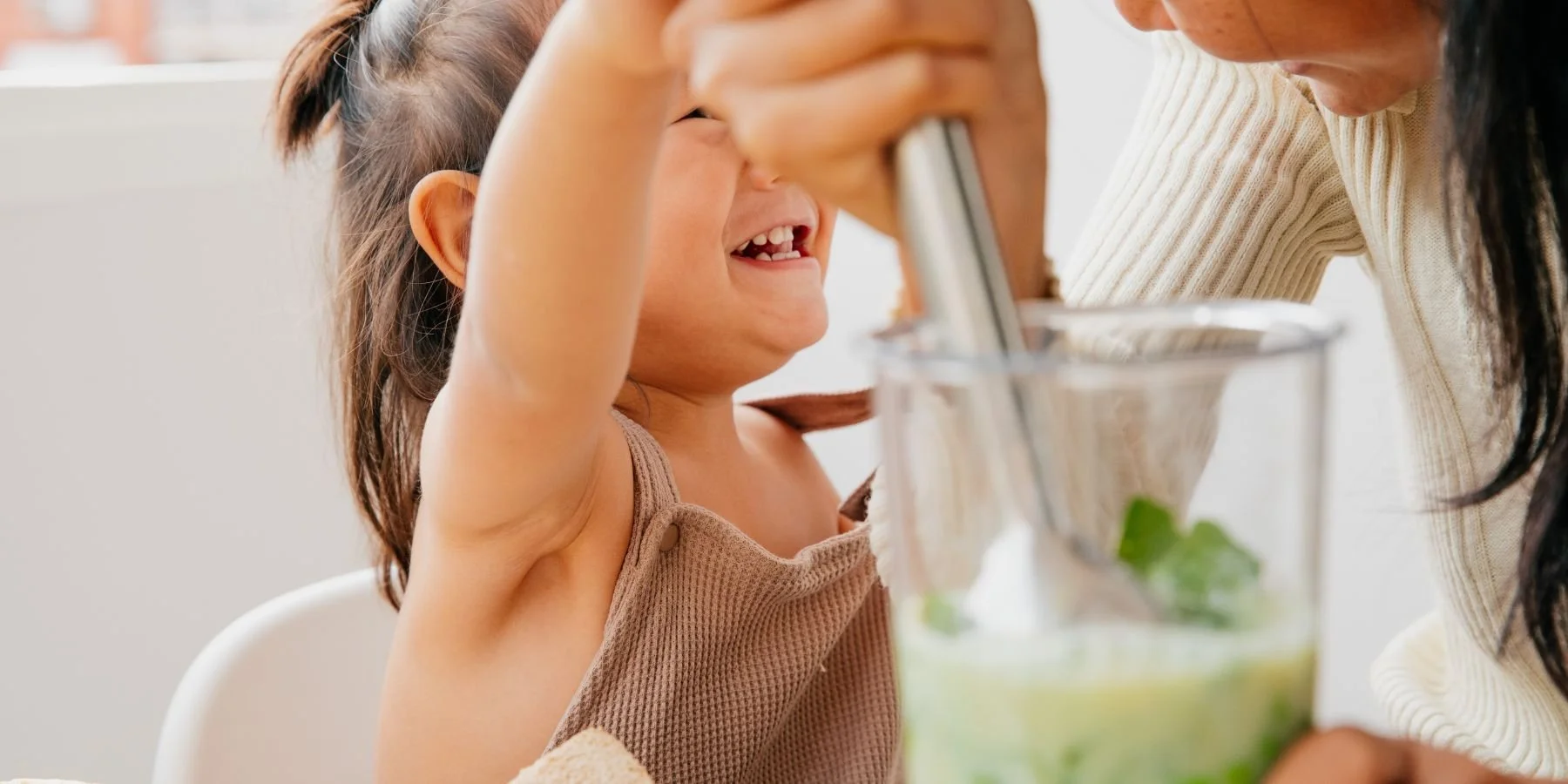
Summer is one of the most abundant seasons for health — more sun, more movement, more fresh food. But it is also a season when sleep slips, hydration falls short, and immune foundations quietly erode. Melody Thomas shares her simple, natural approach to keeping the whole family well this summer, including an interactive guide to building your five-remedy homeopathic first aid kit.