
Greens for Energy
Did you know that plants provide all the building blocks necessary to fuel and give energy to your body to keep you healthy and alive?
We have all heard of the importance of the twenty-two amino acids (which are found in the body). Protein anyone? Well, we have also heard of the eight essential amino acids that we must get from an outside source. These must be derived from food/bacteria. Did you know that all eight essential amino acids are found in raw plant foods, some of which are green leaves, spirulina, blue-green algae, bee pollen, maca, goji berries, and hemp seeds.
So for your protein, go grab your greens and superfoods!
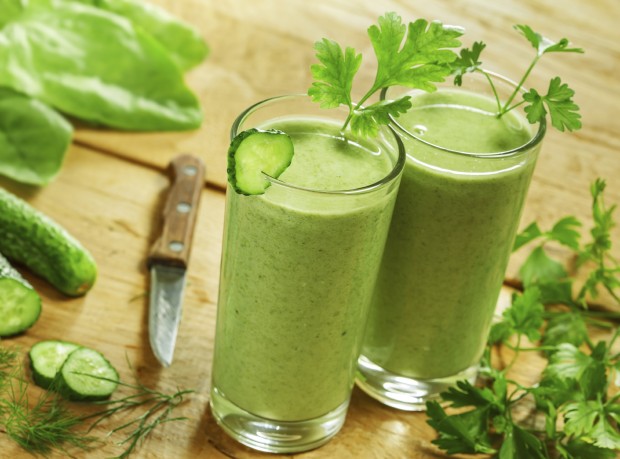
The Science of Why Your Body Runs Better on Green
You Are Not Tired Because You Need More Coffee.
You might be tired because your cells are not getting what they need to produce energy at the level your body is capable of. And one of the most consistent, research-supported, and profoundly underutilized sources of cellular energy available to you is also the most overlooked item on your plate.
Greens.
Not a supplement. Not a powder. Not a protocol. The actual living plant — eaten consistently, in meaningful amounts, as a daily foundation of how you eat — has the power to change your energy at a level most people have never experienced because they have never been consistent enough with it long enough to feel what it actually does.
Here is the science of why.
How Greens Produce Energy in Your Body — The Biology
Your cells produce energy through a process called cellular respiration, which takes place inside tiny structures called mitochondria. The primary fuel for this process is glucose — but glucose alone isn't enough. Your mitochondria need a specific set of cofactors, vitamins, minerals, and electron donors to run the energy-production cycle efficiently. Without them, the process slows, stalls, or produces far less ATP — the energy currency your cells run on — than your body is designed to generate.
Greens provide an extraordinary number of those cofactors in a single, bioavailable package.
Magnesium — found abundantly in chlorophyll, the molecule that makes plants green — is required for over 300 enzymatic reactions in the body, including every single step of ATP synthesis. Most people are significantly deficient in magnesium, and that deficiency shows up as fatigue, muscle tension, poor sleep, and brain fog before it ever appears on a blood test. Eating greens consistently is one of the most direct ways to restore magnesium at the cellular level.
B vitamins — particularly folate, B2 (riboflavin), and B3 (niacin), all found in high concentrations in leafy greens — are essential cofactors in the mitochondrial energy cycle. Without them, your cells cannot efficiently convert food into usable energy regardless of how well you eat otherwise.
Iron — particularly abundant in spinach, kale, and dandelion greens — is required for the production of hemoglobin, which carries oxygen to your cells. Oxygen is what drives the entire energy production process. Low iron means low oxygen delivery. Low oxygen delivery means low energy, full stop.
Vitamin K — found in very high concentrations in arugula, kale, and Swiss chard — plays a role in mitochondrial function and has been shown to support the electron transport chain, the final and most energy-productive step of cellular respiration.
Chlorophyll itself — the green pigment in plants — has a molecular structure remarkably similar to hemoglobin, with magnesium at its center where iron sits in human blood. Research suggests that chlorophyll may actually support the body's own oxygen-carrying capacity and has antioxidant properties that protect mitochondria from the oxidative damage that accumulates with stress, poor diet, and aging — damage that is one of the primary drivers of chronic fatigue.
When you eat greens consistently, you are not just adding vitamins to your diet. You are feeding the machinery that makes energy at the cellular level — and that machinery responds.
The Truth About Protein in Greens
One of the most persistent myths in nutrition is that plant foods — and greens especially — don't provide meaningful protein. This is simply not accurate, and understanding why changes how you think about food entirely.
Your body requires 22 amino acids to build and repair proteins. Of these, eight are considered essential — meaning the body cannot synthesize them and must obtain them from food. For decades the assumption was that only animal products provided all eight essential amino acids in sufficient quantities. What the research actually shows is that all eight essential amino acids are present in raw plant foods — including green leaves, spirulina, blue-green algae, hemp seeds, bee pollen, maca, and goji berries.
Here is how the protein in greens actually becomes usable in your body:
When you eat a green leaf, your digestive system breaks down the plant cell walls and releases the amino acids contained within. These amino acids enter your bloodstream and are transported to cells throughout your body, where they are assembled — with the help of ribosomes inside each cell — into the specific proteins your body needs. Muscle tissue. Enzymes. Hormones. Neurotransmitters. Immune cells. All of it built from the amino acid pool your digestive system has assembled.
The key difference between plant protein and animal protein is not completeness — it is concentration and digestibility. Greens contain lower concentrations of protein per gram than meat or eggs, which means you need volume and variety to meet your protein needs from plants alone. But for someone eating greens as a consistent, abundant part of their daily diet — alongside other plant proteins like legumes, seeds, and whole grains — the amino acid pool is more than sufficient, and it comes with none of the inflammatory burden that excessive animal protein can carry.
Some of the highest-protein greens per serving: Spirulina — up to 70% protein by dry weight, with all eight essential amino acids · Kale — 3g protein per cup cooked · Spinach — 5g protein per cup cooked · Watercress · Edamame · Peas · Hemp leaves
Why Consistency Matters More Than Quantity
The energy benefits of greens are not immediate — they are cumulative. A single green smoothie will not change your energy levels in a measurable way. But greens eaten daily, as a consistent foundation of your diet over weeks and months, produce changes that are genuinely felt — because the underlying cellular machinery that was running on insufficient cofactors is finally getting what it needs to operate the way it was designed to.
This is one of the reasons Melody consistently returns to greens in her nutritional guidance with patients. Not as a trend, not as a detox, but as a daily non-negotiable that pays dividends that compound over time.
Melody's Daily Green Smoothie
The easiest and most efficient way to get a meaningful serving of greens into your day — especially on mornings when food preparation feels like too much. This recipe is simple, genuinely delicious, and designed to maximize both energy and protein.
Melody's Daily Green Energy Smoothie
A daily foundation for cellular energy, plant protein, and living nutrients — ready in five minutes.
INGREDIENTS
• 2 large handfuls of fresh spinach or arugula
• 1 frozen banana (peeled before freezing)
• 0.5 cup frozen mango or pineapple chunks
• 2 tbsp hemp seeds
• 1 tsp spirulina powder
• 1 tsp maca powder
• 1 cup unsweetened coconut or almond milk
• 1 tbsp fresh lemon juice
• 0.5 cup cold water (add more for desired consistency)
STEPS
1. Add liquids first: Pour 1 cup unsweetened coconut or almond milk and 0.5 cup cold water (add more for desired consistency) into your blender first — this protects the blades and helps everything blend smoothly.
2. Add greens: Add 2 large handfuls of fresh spinach or arugula. Blending the greens with liquid first before adding frozen fruit gives you a smoother, less fibrous result.
3. Add remaining ingredients: Add 1 frozen banana (peeled before freezing), 0.5 cup frozen mango or pineapple chunks, 2 tbsp hemp seeds, 1 tsp spirulina powder, 1 tsp maca powder, and 1 tbsp fresh lemon juice.
4. Blend until smooth: Blend on high for 45–60 seconds until completely smooth. The spirulina will turn the smoothie a deep green — that is exactly what you want.
5. Taste and adjust: Taste before pouring. If you want it sweeter, add a few drops of raw honey or a couple of pitted dates. If you want more protein, add another tablespoon of hemp seeds or a scoop of your favorite plant protein powder.
NOTES
Why these ingredients: Spinach or arugula for magnesium, iron, and folate. Banana for potassium and natural sweetness. Hemp seeds for all eight essential amino acids and omega-3s. Spirulina for concentrated protein and chlorophyll. Maca for adrenal support and sustained energy. Lemon for vitamin C, which increases iron absorption from the greens significantly — don't skip it.
Melody's tip: Make this five days in a row and notice how your energy feels by day four or five. The cumulative effect is real. This is not a one-time cleanse — it is a daily practice.
→ Want personalized nutritional guidance based on your actual deficiencies? Melody's OligoScan and Functional Blood Chemistry Analysis can show you exactly what your body is missing, and build a food and supplement plan around what your cells specifically need. Book your consultation at Superlative Health in Burke, Virginia or virtually →