
Grab the Greens, one Grocery Visit at a time
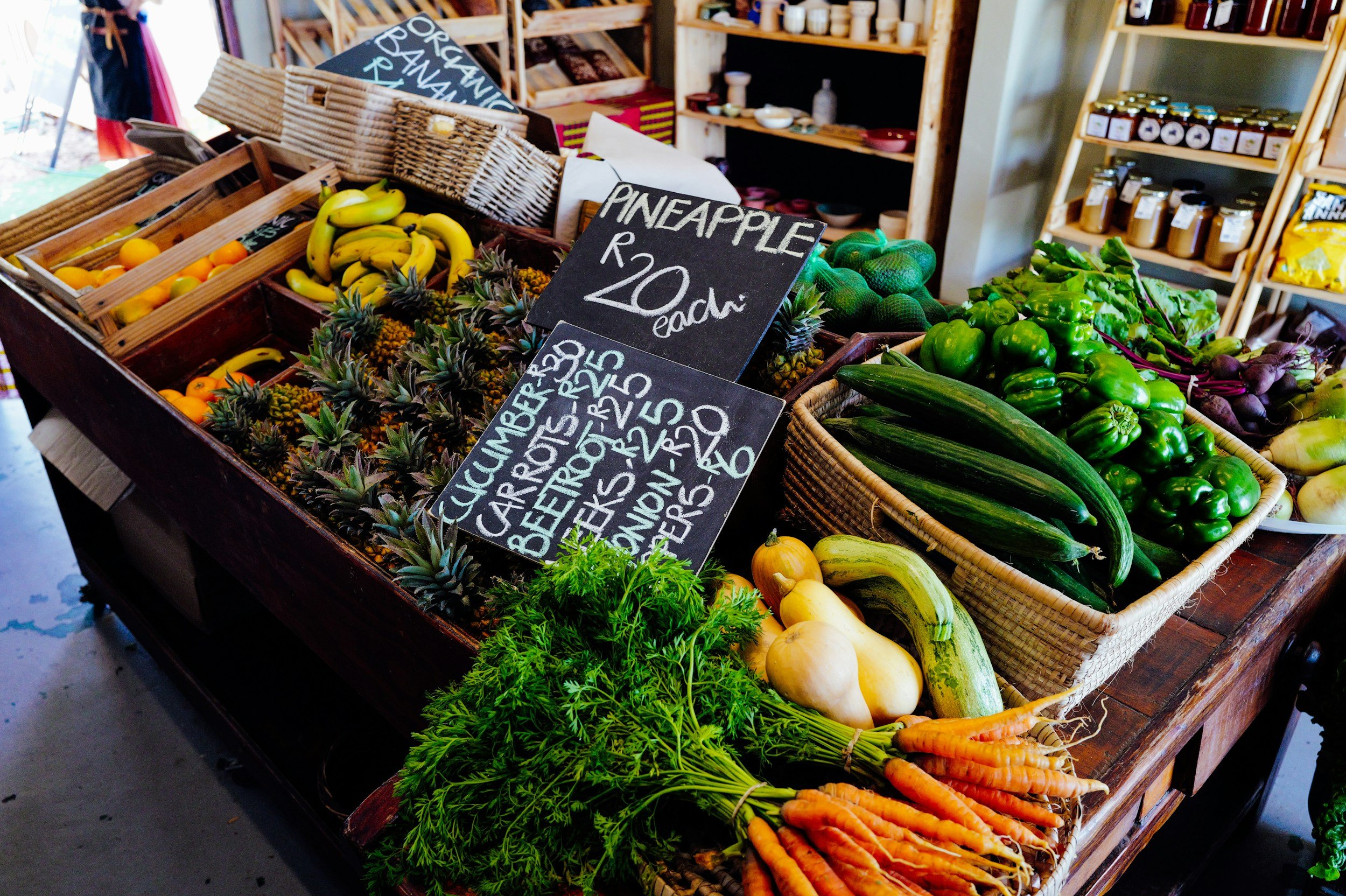
FARMER'S MARKET GREENS
Change Your Health One Grocery Visit at a Time
Know Your Farmer. Know Your Food.
Know my Farmer. There is something powerful about looking someone in the eye and asking how they grew what you're about to put in your body. Farmers markets make that possible — and in the Northern Virginia and Burke area, you have access to some genuinely wonderful ones.
When you shop at a local farmers market, you are not just buying vegetables. You are employing a family. You are supporting someone who woke up before dawn to tend their soil, who made choices about what to spray and what not to spray, who takes pride in what they grow because their name is attached to it. That relationship — between you and the person who grew your food — is one of the most meaningful health decisions you can make, and it costs no more than the grocery store.
Local markets worth knowing in the Burke and Northern Virginia area:
Burke Farmers Market · Springfield Farmers Market · Falls Church Farmers Market · Old Town Fairfax Farmers Market · Reston Farmers Market · Del Ray Farmers Market in Alexandria
Go early. Bring a bag. Talk to the farmers. Ask what's freshest that week, what they're most proud of, and what they'd bring home for their own families. You'll learn more in ten minutes at a farmers market stand than you will reading labels at a grocery store for an hour.
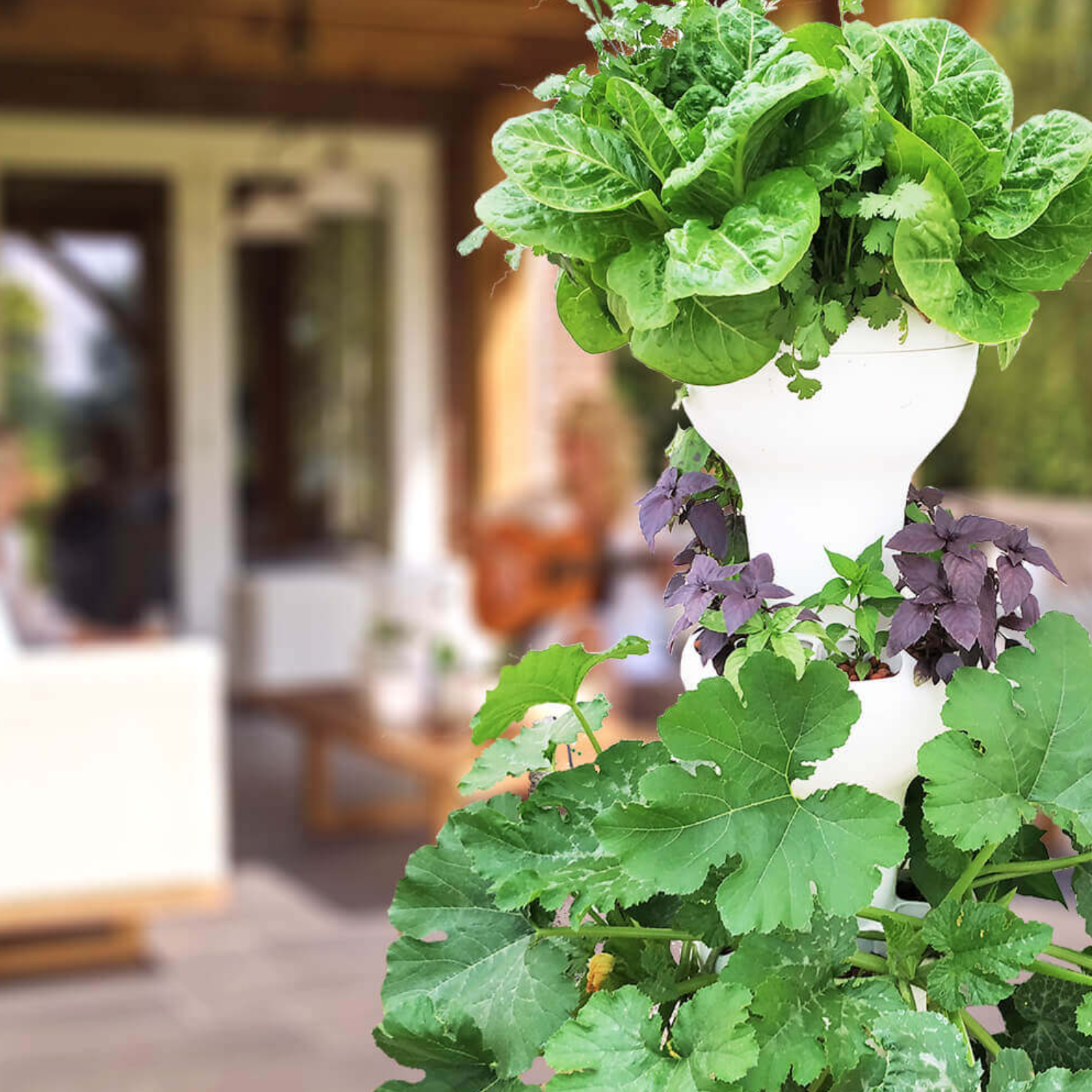
Can't Make It to a Market? Grow Your Own.
If farmers market access is limited, or if you simply want the satisfaction of eating something you grew yourself — there are two approaches I love and recommend.
I grow my own greens in my own kitchen! I have a hydroponic tower garden with grow lights, right in your own kitchen. The one I have at home produces fresh greens year-round regardless of season or weather. Hydroponic tower systems use water and light instead of soil, taking up minimal space and delivering fresh, living greens in days rather than weeks. If you've never grown food indoors before, this is one of the most rewarding places to start.
The second is as old as agriculture itself — seeds in soil. If you have a patch of outdoor space, a raised bed, a patio, or even a sunny windowsill, you can grow greens from seed with very little investment and very little effort. The one thing Melody always recommends: use GMO-free heirloom heritage seeds. These are seeds that have been passed down through generations, grown without genetic modification, and chosen over centuries for their flavor, resilience, and nutritional density. They are the seeds that grew the food that built civilizations — and they are still the best option available. Look for them at your local nursery, farmers market seed stand, or online from trusted seed companies like Baker Creek Heirloom Seeds or Seed Savers Exchange.

When you go to the Grocery store, that is the MAJORITY of your choices! Choose Green
Running to the Store? Here's What to Look For.
When the farmers market isn't an option and the tower garden needs a few more days, here is Melody's quick guide to choosing the best greens at the grocery store:
1. Look at the color — and mean it. The deeper and more vibrant the green, the higher the chlorophyll content, and chlorophyll is where most of the nutritional power lives. Pale, yellowish, or faded leaves have already lost significant nutritional value. You want greens that look alive because they still are. Dark green, almost glossy, with no yellowing at the edges.
2. Check the stems and edges. Wilting starts at the edges and the stem. If the tips are browning or the leaves feel limp and soft rather than crisp and firm, that bunch has been sitting too long. Fresh greens hold their structure. They snap, not bend. Avoid anything that's already given up.
3. Buy whole, not pre-cut when possible. Pre-washed, pre-cut, bagged greens are convenient — but the moment a leaf is cut, it begins losing nutrients. A whole head of romaine, a bunch of kale with the stems still attached, or loose-leaf spinach will hold its nutritional value significantly longer than the pre-shredded version in the sealed bag. Buy whole, wash yourself, and eat within a few days.
Get Variety. Your Body Needs It.
One of the most common green mistakes is loyalty to a single variety. Spinach every day, every meal, every smoothie — and while spinach is genuinely excellent, every green has a different nutritional profile, a different set of phytonutrients, and a different contribution to make. Rotating your greens is one of the simplest things you can do to ensure your body gets a broader spectrum of what it needs.
Here are the greens Melody reaches for most — and what makes each one worth including:
Arugula — Melody's personal favorite. Peppery, distinctive, and loaded with vitamins K, A, and C. It's also one of the richest plant sources of calcium and folate, and its bitter compounds actively stimulate liver and digestive function. Arugula is the green that does the most work quietly.
Spinach — The classic for good reason. Rich in iron, magnesium, potassium, and folate. Excellent raw in salads and smoothies. Just rotate it with other greens rather than relying on it exclusively, as its high oxalate content can affect mineral absorption when eaten in very large quantities daily.
Mixed Greens — A blend of baby lettuces, mizuna, radicchio, and tender leaves that gives you a variety of nutrients in a single handful. The easiest way to rotate without thinking about it.
Kale — One of the most nutrient-dense foods on the planet. Vitamins K, C, A, B6, manganese, calcium, copper, potassium, and magnesium all in one dark, sturdy leaf. Massage it with a little olive oil if eating raw — it softens the texture and makes it far more digestible.
Swiss Chard — Beautiful and underused. Rich in vitamins K, A, and C with a magnesium content that makes it particularly valuable for anyone dealing with muscle tension, poor sleep, or stress.
Dandelion Greens — Bitter and powerful. One of the best liver-supporting greens available and a natural diuretic. If you see them at a farmers market, grab them.
Watercress — One of the most nutrient-dense greens by weight of any food measured. Peppery like arugula and rich in compounds that support detoxification and cancer prevention.
Romaine — Often overlooked as "just lettuce" but genuinely rich in folate, vitamin K, and vitamin C. A great base green for salads and wraps.
Microgreens — Baby versions of herbs and vegetables harvested just after sprouting, containing up to 40 times the nutrient density of their full-grown counterparts. If you grow one thing at home, grow microgreens.
Your Meal Should Be 75% Living.
Here is the rule Melody comes back to again and again, in the clinic and in her own kitchen: aim for 75% of your plate to be high in live, raw nutrients. Greens are the easiest way to get there. They are inexpensive, accessible, fast to prepare, and the most nutrient-dense food group available to you.
The hardest health decision most people make happens at the grocery store — not in the kitchen, not at the table. What goes in your cart is what ends up in your body. Choose green. Choose living. Choose often.
Change your health one grocery visit at a time!
Good rule of thumb, how many greens do you have? Your meal should be 75% high in live raw nutrients-greens are perfect in this! #grabthegreens
The Hardest decisions start with the ones at the Grocery store. Remember when you are going up and down the isles, think Greens. Your choices at the Grocery Stores MATTER! Think Fresh, Think Green, Think Great!
→ Ready to take your nutrition further? Melody offers personalized nutritional guidance as part of her Wellness Package and Naturopathic consultations at Superlative Health in Burke, Virginia — in-clinic and via telehealth.