Solution for Dry Eyes
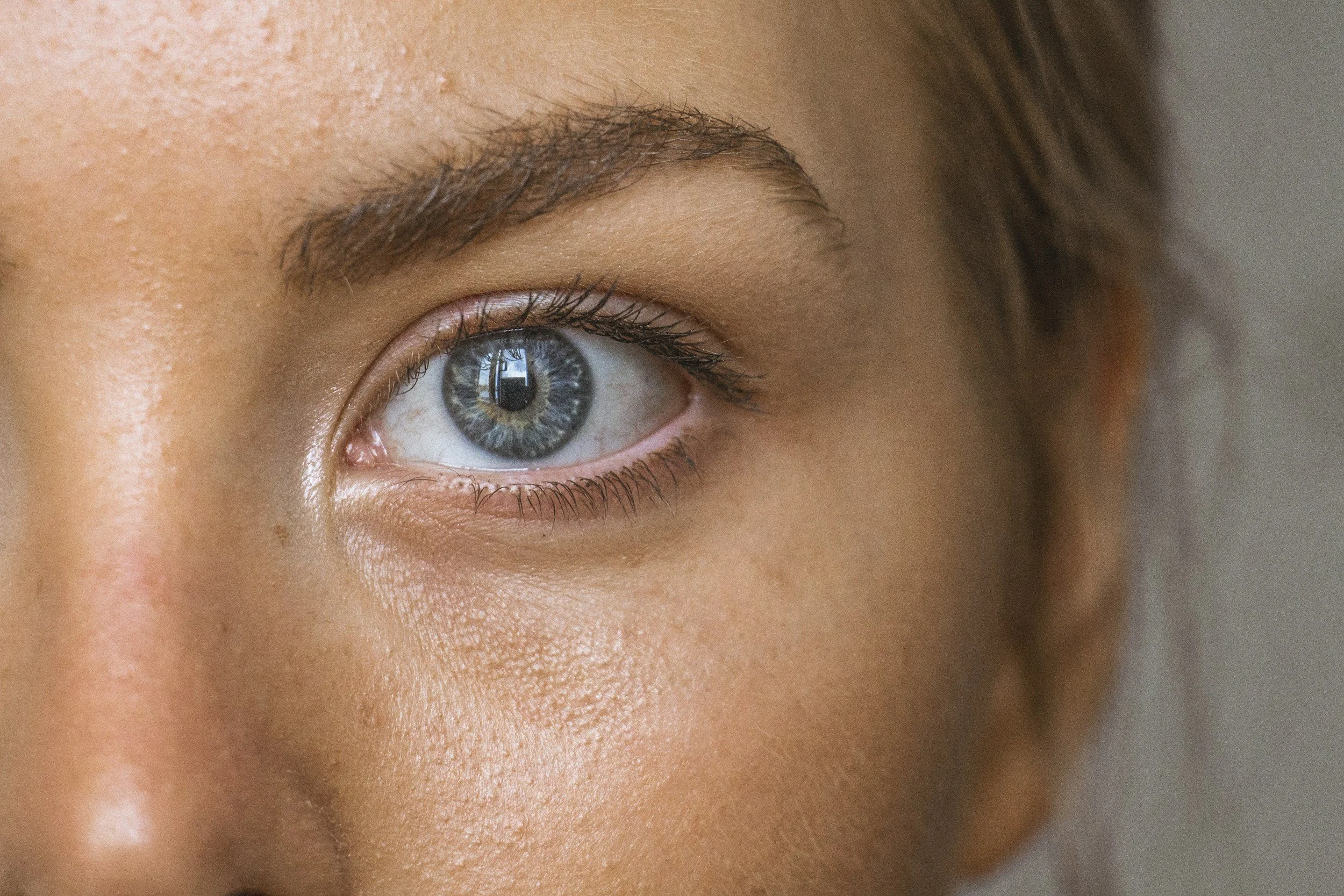
Dry eyes are more than a minor annoyance—they can interfere with daily activities like reading, driving, or working on a computer. Whether you experience occasional discomfort or ongoing irritation, understanding how to lubricate your dry eyes properly can make a big difference in your eye health and overall quality of life. At Superlative Health we often see patients dealing with symptoms like stinging, burning, or a gritty sensation in their eyes, and we’re here to help. In this blog post, we’ll explore common causes of dry eyes and guide you through practical solutions, from lubricating drops to lifestyle changes, so you can find lasting relief.
Causes of Dry Eyes:
Dry eyes occur when your eyes don’t produce enough tears, or when the tears you do produce evaporate too quickly. While it may seem like a minor issue, the discomfort caused by dry eyes can significantly impact your day-to-day life, causing blurred vision, redness, sensitivity to light, and that constant gritty or burning feeling.
1.Environmental Factors
Specific environmental conditions can lead to or worsen dry eye symptoms, often accelerating tear evaporation. Key contributors include:
Pollen - Especially this time of the year! It’s in the air and causing so many issues for people!
Wind – A strong breeze or exposure to windy conditions can rapidly dry out your eyes.
Smoke – Cigarette, fire, and pollution smoke can irritate the eye surface and lead to dryness.
Dry Air – Environments with low humidity, such as heated or air-conditioned spaces, can cause moisture to evaporate from your eyes faster than it can be replenished.
This issue tends to worsen during the winter months or in arid climates where humidity levels are low, contributing to increased dry eye symptoms.
2.Prolonged Screen Time
In today’s digital age, extended screen use is one of the most common causes of dry eyes. Here’s why:
Reduced Blinking – When you’re focused on a screen, you blink less frequently, reducing the spread of tears across the eye surface.
Eye Strain – Prolonged staring at a screen can cause the eyes to become fatigued, contributing to dryness and discomfort.
This is a common issue among office workers, students, and anyone who spends long hours in front of a screen.
3.Medical Conditions
Certain medical conditions can interfere with tear production or quality, leading to chronic dry eye symptoms. Some of the most notable conditions include:
Autoimmune Diseases – Conditions like Sjögren’s syndrome, rheumatoid arthritis, or lupus can attack tear-producing glands, decreasing tear production.
Hormonal Changes – Women, especially during menopause, often experience changes in hormone levels that impact tear production.
Medications – Some medications, such as antihistamines, antidepressants, and blood pressure medications, can have side effects that affect tear production or tear film quality.
Understanding these triggers is an essential part of managing dry eyes effectively. Certain eye symptoms can be early indicators of broader health issues.
Lubricating Eye Drops
One of the most common and accessible ways to relieve dry eye symptoms is lubricating eye drops, also known as tear restore. These drops supplement your natural tear film, providing moisture and comfort throughout the day. However, not all eye drops are created equal, and choosing the right type for your eyes can make a significant difference.
Here are the main types of lubricating eye drops and when they might be most effective:
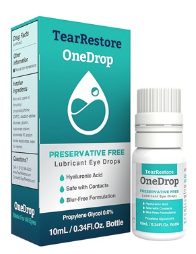
Steroid Free and Harmful Preservative-Free Clean Eye Drops If you need to use drops frequently (more than four times per day), preservative-free options are recommended. Preservatives in some eye drops can cause irritation or allergic reactions with frequent use, especially in people with sensitive eyes. These single-use vials, or specially designed bottles, are safer for chronic or more severe dry eye cases.
Here are the Clean Eye Drops we recommend
One Drop Tear Restore: Click Here
Tips for Using Eye Drops Effectively:
Always wash your hands before applying drops.
Avoid touching the dropper tip to your eye or eyelashes to prevent contamination.
Store drops according to the instructions—some preservative-free drops may need refrigeration.
If using multiple types of eye drops (e.g., medicated and lubricating), wait at least 5–10 minutes between applications.
While eye drops can offer significant relief, their effect is only temporary. For persistent symptoms, additional treatment may be necessary.
Additional Treatments for Dry Eyes
While lubricating eye drops are often the first line of defence, some cases of dry eyes require more comprehensive care. If you’re experiencing frequent or severe symptoms, incorporating other treatments into your routine can help manage the condition more effectively and promote better eye health over time.
Here are some additional treatments that may provide relief:
Eyelid Hygiene
Keeping your eyelids clean can improve the function of the meibomian glands—tiny glands along the eyelid margins that produce the oily layer of your tear film.Use a warm compress to loosen debris and open up the glands.
Gently cleanse your eyelids daily with a mild, non-irritating eyelid cleanser designed specifically for that purpose.
Omega-3 Supplements
Nutritional support can also play a role in managing dry eye. Omega-3 fatty acids—found in fish oil and flaxseed oil—may help reduce inflammation in the tear glands and improve tear quality.Come in for the New Client Wellness before starting supplements to determine the right dosage. We will test you and see exactly what your body is craving.
Combining these treatments with the right eye drops and daily care routine can significantly improve your comfort and reduce the impact of dry eyes on your everyday life.
Lifestyle Adjustments for Managing Dry Eyes
In addition to treatments and eye drops, simple lifestyle adjustments can help reduce dry eye symptoms and prevent flare-ups. Incorporating a few daily habits can help maintain your eye moisture and protect your overall eye health.
Here are some effective changes you can make:
Stay Hydrated
Drinking enough water throughout the day helps support healthy tear production.Aim for at least 8 glasses (2 litres) of water daily, or more if you’re active or in a dry environment.
Use a Humidifier
Dry indoor air, especially during winter or in air-conditioned environments, can contribute to tear evaporation.Using a humidifier at home or in your workspace adds moisture to the air and helps keep your eyes more comfortable.
Take Regular Screen Breaks
Staring at screens reduces blink rate, which dries out your eyes.Follow the 20-20-20 rule: every 20 minutes, look at something 20 feet (ca. 6 m) away for at least 20 seconds to rest your eyes and reset your blink rate.
Wear Protective Eyewear Outdoors
Wind, dust, and sunlight can dry out and irritate your eyes when you’re outside.Wraparound sunglasses or glasses with side shields can help block these environmental irritants.
Avoid Rubbing Your Eyes
Although it may feel like a quick fix, rubbing your eyes can worsen inflammation and damage the delicate eye surface.Instead, use lubricating eye drops or a cool compress to soothe any itchiness or irritation.
Be Mindful of Airflow
Direct airflow from fans, car vents, or air conditioners can dry your eyes quickly.Try redirecting vents away from your face and avoid sitting directly in front of strong air currents.
These small but meaningful changes, when combined with proper treatment and regular eye care, can make a big difference in managing dry eye symptoms and improving your day-to-day comfort. Carrots and Greens really help improve your eyes
Dry eyes can be more than just a minor irritation, they can affect your comfort, vision, and overall quality of life. The good news is that there are many effective ways to relieve symptoms, from lubricating drops to lifestyle changes and professional treatments. By understanding the causes and exploring the right solutions for your needs, you can take proactive steps toward lasting relief.
If your dry eye symptoms persist or worsen, don’t hesitate to seek help. At Superlative Health LLC, our experienced team can assess your eye health and recommend a personalized treatment plan that works for you.
*the links we have here are affiliate links, and buy clicking them they cost you no extra money but help support our small family business. Thank you
——>Let us help you see and feel your best.