Flexibility and Functional Movement
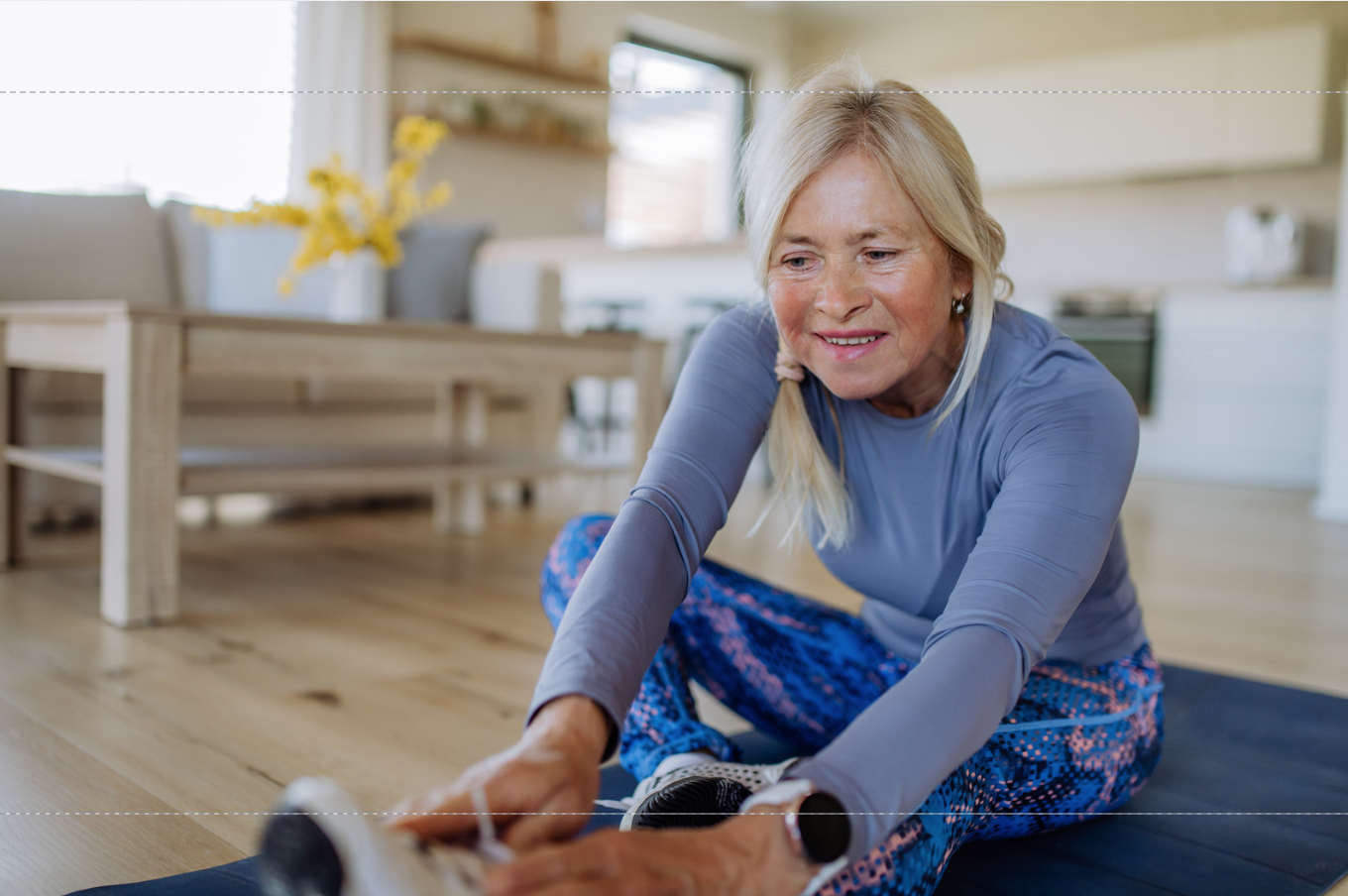
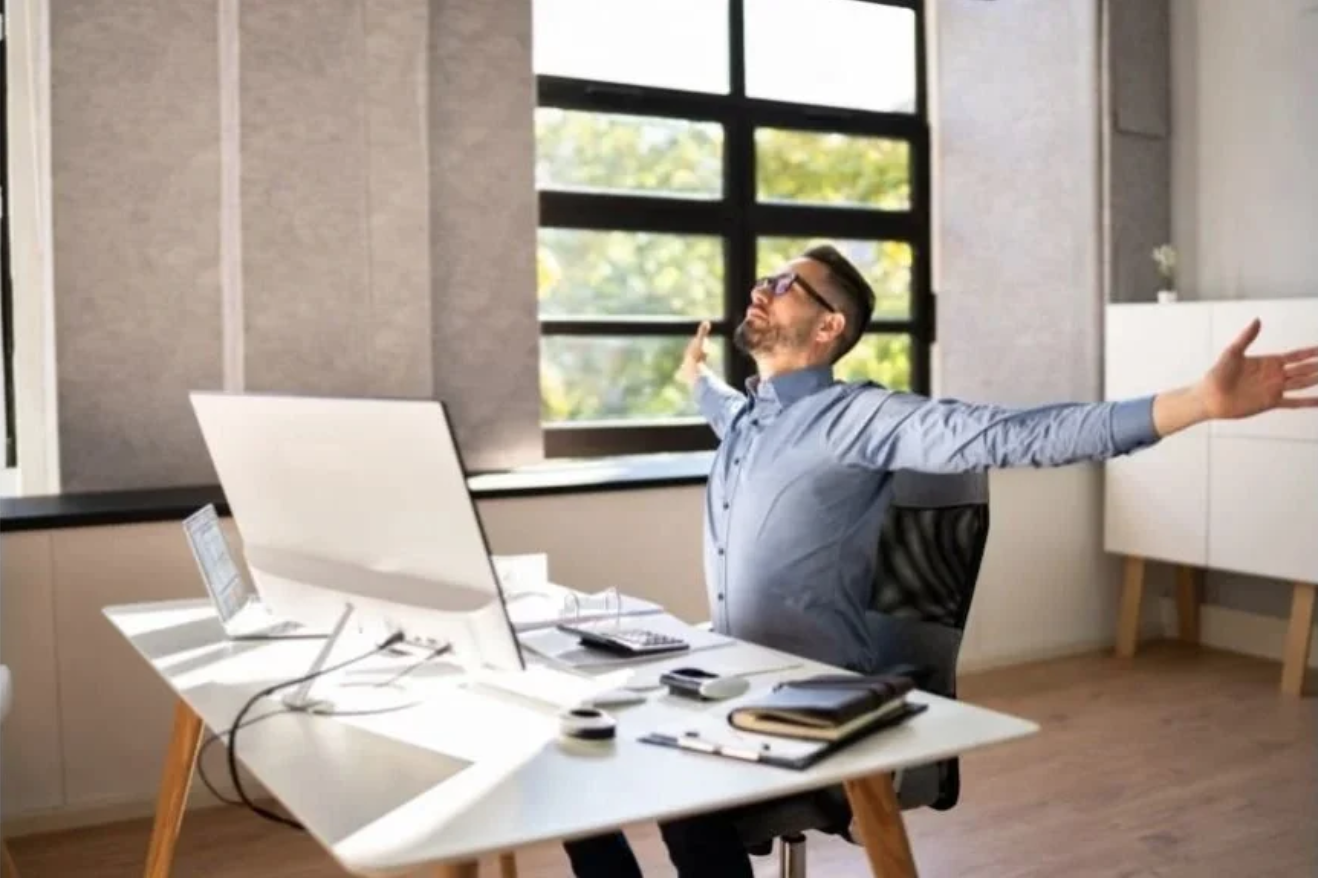
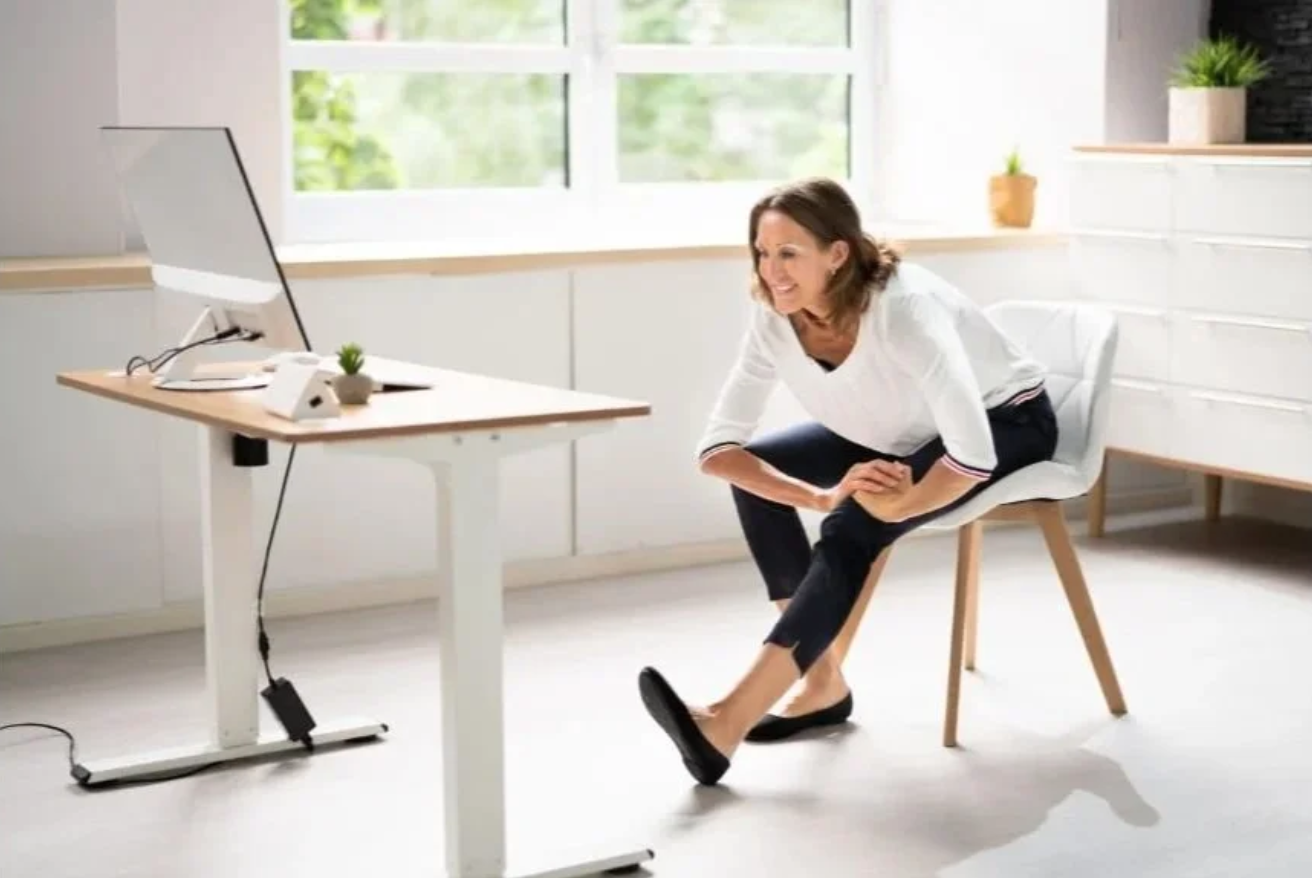
Flexability and Functional Movement are important because you never know when you are going to need to utilize your body in an interesting way. To pick up your grandchildren, reach for a bag of potatoes, bend over to smell fresh flowers, or install drywall.
→ Read more
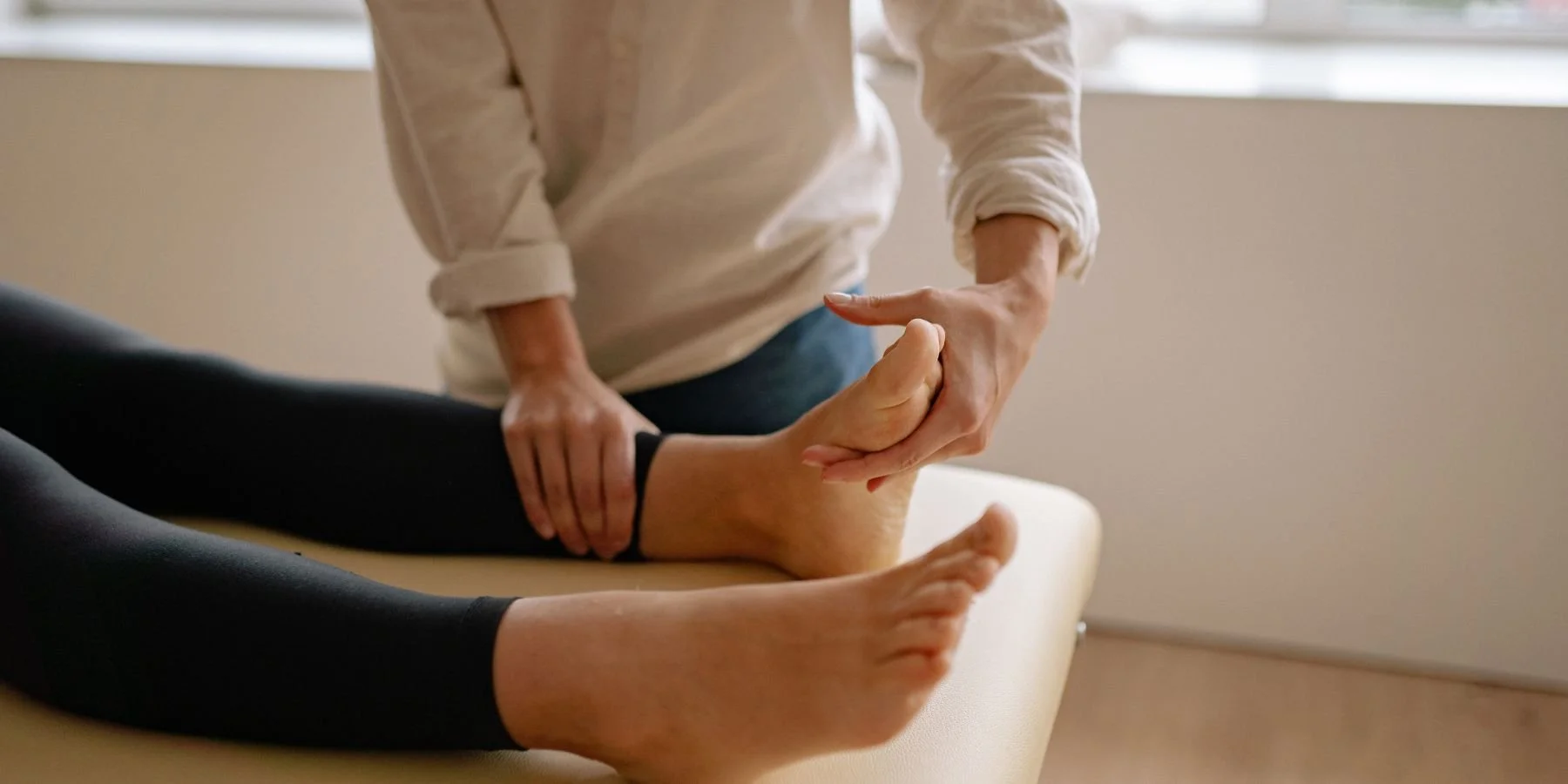
Halfway through the summer and the baseball season, it seems like the perfect time to talk about functional movement, flexibility, and what we actually do here at Superlative Health. Medical massage may seem like it’s just a different way to say massage, but it’s not, there are many different elements that go into medical massage.
One of the major factors in a medical massage is increasing and improving a person’s functional movement, which is only possible when full range of motion is achieved by releasing contracted tissues. A key way for self care after receiving medical massage is increasing functionality and to focus on stretching and flexibility. Surprisingly, flexibility can be reduced by work or exercise that produces repeated overuse of the same muscles, succeeding in confining joints within a restricted range of motion. Flexibility is possibly the most important factor in the longevity of an athlete, so baseball players beware! The most flexible joint is the shoulder, which also means that the shoulder is very typically injured. Whether you’re throwing out a pitch, or simply repeatedly picking up and moving objects in your everyday life, the shoulder is an important part of the body to protect by practicing proper stretching techniques.
The primary obstacle to flexibility is the tightness of the surrounding muscles and fascia of the joint. Strong tensile forces of the muscle and fascia surrounding the specific joint determine flexibility. Trauma, overuse, and one's own bio-chemistry are the most common causes of muscle tightness, resulting in protective flexor postures, or over corrective postures that seem to help us feel better, but hurt us more in the long run. This is why stretching and relaxing the muscles is an important and necessary factor that must not be ignored.
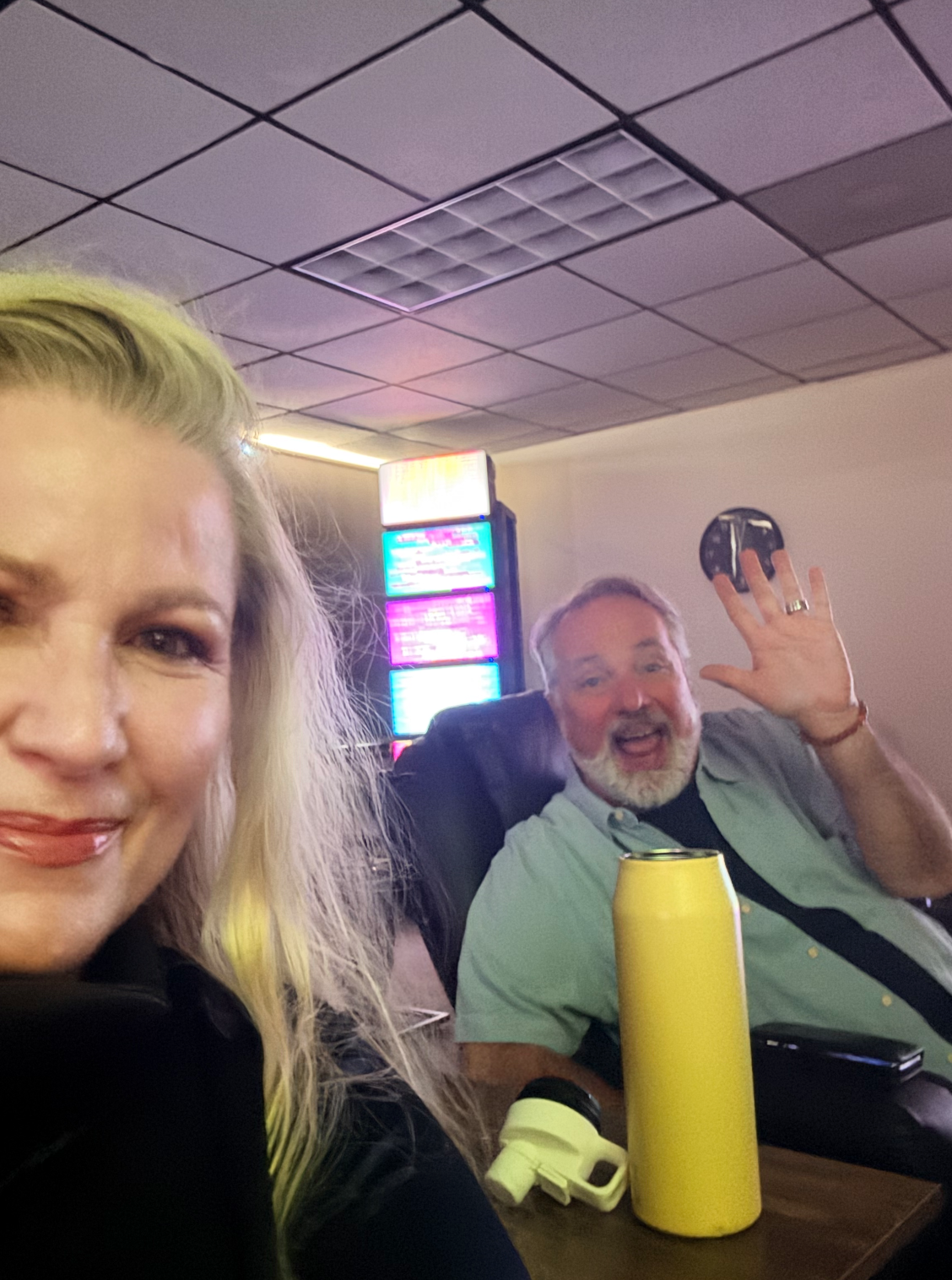
You never know when you need to move your body in interesting ways! My son-in-law John Mark installing drywall.
What Your Body Is Trying to Tell You — and Three Things You Can Do About It Today
I have been treating musculoskeletal dysfunction, pain patterns, and restricted movement for over two decades, and one of the most consistent observations I have made across thousands of patients is this: the body loses its functional range of motion quietly, gradually, and almost always without the person noticing until something hurts badly enough to demand attention.
By that point, the restriction has usually been building for months — sometimes years.
What Functional Movement Actually Means
Functional movement is the body's ability to move through the ranges of motion required for daily life — bending, reaching, rotating, lifting, walking, sitting, and standing — without compensation, pain, or restriction. When functional movement is intact, the body distributes load efficiently across multiple structures. When it is compromised, that load gets displaced onto structures that were never designed to carry it, and those structures eventually begin to break down.
The primary obstacle to functional movement is not weakness. It is tightness — specifically, the tightness of the muscles and surrounding fascia that constrain joint mobility. Strong tensile forces in the muscular and fascial matrix determine how freely a joint can move. Trauma, repetitive use patterns, postural habits, biochemical imbalances, and unresolved emotional holding patterns all contribute to that tightness over time.
The shoulder is the clearest example I see in clinical practice. It is the most mobile joint in the human body — and precisely because of that mobility, it is the most commonly injured. A pitcher throwing a baseball, a construction worker repeatedly lifting overhead, an office worker who has spent years with their shoulder elevated toward their ear while holding a phone — all of them are loading the same structures in the same restricted range, day after day, until something gives.
What I Do in a Medical Massage Session
When a patient comes to me with a movement restriction or pain pattern, I do not begin with deep pressure. I begin with assessment. I need to understand the full picture of what the tissue is doing — where the primary restriction is, where the secondary compensations have developed, and which structures are genuinely shortened versus which are in protective spasm because they are being asked to protect something else.
From that assessment, I select my approach. Typically I begin with myofascial release techniques to address the fascial restrictions that are limiting the deeper work, then progress to neuromuscular therapy and trigger point release to deactivate the hyperirritabile points that are both causing pain and perpetuating the restriction. This combination allows the tissue to soften and open in a way that deep pressure alone never achieves — because you cannot force a muscle out of a protective pattern. You have to create the neurological safety for it to release.
Once the tissue has responded, I may incorporate Active Release Technique, Positional Release, or Muscular Energy Technique depending on what the joint and surrounding structures need to recover their full range. The session ends with movement assessment to confirm that the changes made on the table are translating into actual functional improvement.
Three Things You Can Do Right Now to Improve Your Agility
Between sessions, the work of maintaining and improving functional movement belongs to the patient. Here are the three practices I recommend most consistently to my patients — not because they are the most advanced, but because they are the most consistently effective when done correctly and regularly.
1. The 90/90 Hip Mobility Drill
The hips are the foundation of almost every movement pattern in the body. When hip mobility is restricted — which it almost universally is in people who sit for significant portions of their day — the lumbar spine, knees, and shoulders all compensate, each taking on load they were not designed to carry.
Sit on the floor with both legs bent at 90 degrees — one knee in front of you and one to the side, both at right angles, feet relaxed. Sit as tall as possible with your spine long. Hold this position for two to three minutes, breathing slowly and deliberately. Then gently rotate to face the other direction, switching which knee is in front. Hold again.
What you are doing is applying a sustained, low-intensity load to the hip capsule and surrounding musculature — the external rotators, the hip flexors, the adductors — that allows those structures to lengthen through a neurological process called autogenic inhibition. Ballistic stretching cannot achieve this. Sustained positional loading over time is how the tissue actually changes.
Do this daily. Two minutes per side, every morning before you stand up from bed if possible.
2. Thoracic Extension Over a Foam Roller
The thoracic spine — the twelve vertebral segments between your neck and your lower back — is designed to extend, rotate, and flex. In most people I see in clinical practice, it is locked in flexion — collapsed forward from hours at a desk, a screen, a steering wheel. When the thoracic spine cannot extend, the cervical spine and lumbar spine both hypermobilize to compensate, producing the neck pain, headaches, and low back pain that bring most of my patients through the door.
Place a foam roller perpendicular to your spine, positioned at the mid-back — roughly at the level of your shoulder blades. Support your head with your hands interlaced behind your neck. Allow your upper back to gently drape over the roller, breathing out as you extend. Hold for thirty seconds, then shift the roller an inch or two up or down and repeat. Move through the entire thoracic region, spending thirty to sixty seconds at each level.
This is not aggressive. You should feel a gentle stretch and opening, not pain. If you feel sharp pain at any point, stop. Done consistently over several weeks, this practice restores thoracic extension, reduces compensatory strain on the neck and low back, and changes posture in ways that are visible and measurable.
3. Daily Passive Hamstring Loading — Legs Up the Wall
The hamstrings are the most consistently tight muscle group I address in clinical practice, and their tightness has consequences far beyond the back of the legs. Chronically shortened hamstrings tilt the pelvis posteriorly, flatten the lumbar curve, and increase compressive load on the lumbar discs — contributing significantly to the low back pain patterns that are among the most common musculoskeletal complaints in adults.
Lie on your back with your hips close to a wall and extend your legs up the wall as straight as they comfortably allow. Your legs do not need to be perfectly vertical — wherever they rest without forcing is correct. Stay here for five to ten minutes, breathing slowly. The sustained gravitational load creates a passive stretch through the entire posterior chain — hamstrings, calves, and fascia of the lower limb — without any active muscular contraction that would trigger the stretch reflex and limit the tissue's ability to lengthen.
This is also one of the most effective practices I know for nervous system downregulation — the elevation of the legs activates the parasympathetic response, reduces cortisol, and begins to quiet the sympathetic overdrive that keeps so many of my patients in chronic tension.
Five minutes before sleep, legs up the wall, every night. The cumulative effect on hamstring length, pelvic alignment, and sleep quality is significant.
The Role of Regular Medical Massage
These three practices are powerful tools for maintaining the gains made in the clinical setting — but they are not a substitute for assessment and hands-on treatment when genuine restriction exists. The body develops patterns of compensation that self-care alone cannot fully unwind, because the nervous system has learned to protect those patterns as normal. Skilled clinical manual therapy interrupts those patterns at a neurological level that stretching and mobility work simply cannot access.
Regular maintenance appointments allow me to identify and address restrictions before they become pain. They allow the tissue to be assessed by trained hands that can distinguish between a muscle that is tight because it is overworked and a muscle that is tight because it is compensating for something else entirely. And they give the body consistent permission — through skilled, informed touch — to release the holding patterns it no longer needs.
A person may come in for a medical massage and expect to be worked and massaged on a table the entire time, but this is not often the case. A person must first be evaluated for their injury or problem area, and then after, myofascial release techniques, the muscles are ready for deeper findings and use of trigger point therapy to release the contracted soft tissue so they can recover range of motion, allowing them to stretch.
Making regular maintenance appointments for Medical Massage and learning how to stretch properly will help ease the strain on a muscle, and taking the time for self care means a lot to your body, and it will thank you for it!
→ Book your Medical Massage session with me at Superlative Health in Burke, Virginia →
Benefits of Chair and Mat Yoga for Functional Movement
Between sessions, the work of maintaining and improving functional movement belongs to the patient. Here are some practices I recommend most consistently to my patients, not because they are the most advanced, but because they are the most consistently effective when done correctly and regularly.
→ Read More about the Functional Movement
Benefits of Chair and Mat Yoga for Functional Movement
In order to fully understand the benefits of yoga for functional movement, first we must discuss functional movement.
What is functional movement?
In order to fully understand functional movement, it must be broken down into its parts. Functional, by definition, is having a special activity, purpose, or task; relating to the way in which something works or operate. Movement, by definition, is an act of changing physical location or position or of having this changed. Therefore functional movement is the practice of improving the way in which a person changes their physical location. To further elaborate, Functional Movement, as described by Wikipedia, are movements based on real-world situational biomechanics. They usually involve multi-planar, multi-joint movements which place demand on the body's core musculature and innovation. These movements can improve the body’s functionality by first improving balance and stability thru adapting a different way of moving in everyday life.
There are three planes of movement that through yoga, are improved by focusing on the functional aspect of the movements. These planes are the sagittal plane, coronal or frontal plane, and the transverse plane. When focusing on these three planes of movement, functionality is improved.
The sagittal plane also called the lateral plane, it is a vertical plane running from front to back, dividing the body or any of its parts into right and left sides. This plane of movement can be best described as focusing on flexion, or bending of joints and limbs, as well as extension, or the straightening of a joint or limb from a bent position.
The coronal, or frontal, plane is a vertical plane running from side to side, it divides the body or any of its parts into anterior and posterior portions. This plane of movement is best broken down into a combination of adduction and abduction. Adduction is the movement of a body part toward the body’s midline. So, if a person has their arms straight out at the shoulders and brings them down to their sides, it is adduction. Abduction is any motion of the limbs or other body parts that pulls away from the midline of the body. Swinging the hands from the side of the body up to the shoulder or higher, is abduction.
The transverse plane also known as the axial or horizontal planes, are parallel to the ground and divide the body into top and bottom parts. This plane of movement is best described as the rotation of the core and spinal column.
Now that we’ve focused on the three main planes of movement, it is time to look at how yoga, both in a chair and on a mat, are used to improve these planes.
Yoga has been shown to improve overall health, prevent (and even reverse) disease when practiced regularly. It’s no surprise that it can lend its benefits to those with mobility issues. Yoga can be adapted to suit anyone’s needs, this is one of the many wonderful things about the practice. There is no sense of competitiveness in yoga, which rules out the need to push oneself too far, leading to injury. The goal is to workwith your body, rather than against it.
Chair yoga can still help improve flexibility, much like mat yoga, it can help improve both physical and mental stability as it focuses on the relaxation of the mind and body. It also helps to lower stress both physically and mentally. Yoga, both chair and mat, help to improve proprioception. According to doyouyoga.com, proprioception is the skill of knowing where your body is in space, and coordinating your movements accurately. This is very important for elderly people and can help to prevent falls, as well as people with disabilities or conditions such as MS, it could lead to greater control over your body and its movements.
Chair yoga is much like mat yoga, except for the added benefit of the chair to help alter the movements and positions and make them easier to execute and more comfortable for those who are unable to do exact positions. Modified positions are used to help create the same effects of mat yoga on the body, even though they’re being done in a seated position. Chair yoga is a wonderful way to introduce yourself to the art of yoga, without pushing yourself too hard. It is also very beneficial to those who cannot easily get themselves on and off the floor in order to do the poses that yoga is known for.
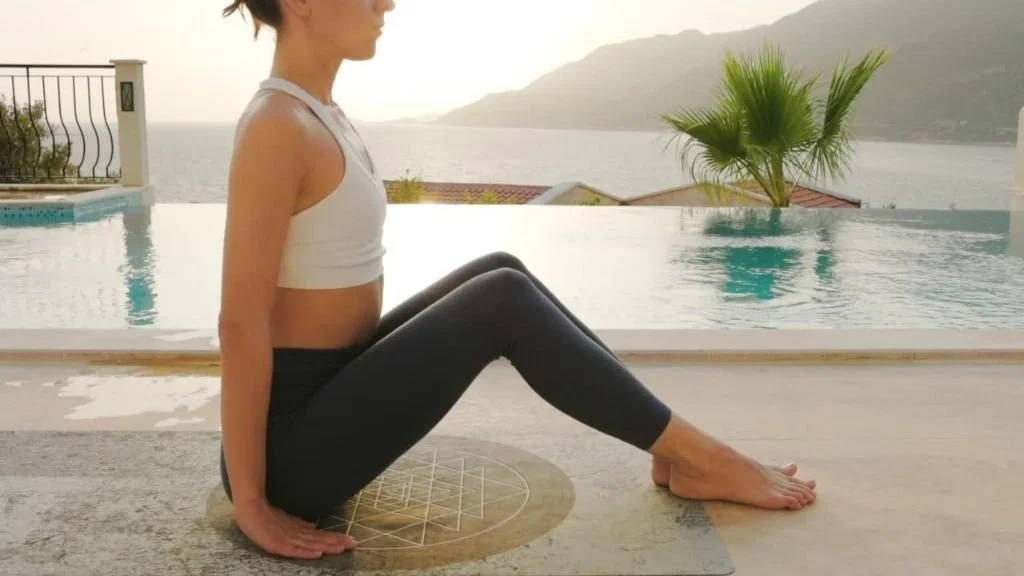
Mat yoga is the basic yoga that everybody thinks of when they think of yoga. A yoga mat is used for stability and slip resistance and those participating are placed in a very calming environment and act out many different poses. It is used to help improve flexibility, as well as stability, and to achieve a balanced everyday equilibrium.
In trying to improve functional movement through yoga, it is hoped that the improved flexibility and stability, as well as balance, will improve those three planes of movement, thus improving the overall functional movement. With a calm mind and a relaxed body, one can hopefully achieve their highest point of functionality.
Aromatheraphy Massage
AROMATHERAPY MASSAGE
When Your Doctor Says You've "Turned the Corner" — This Is Why Psychologists are referring their patients to Melody for this. Here's what aromatherapy massage is actually doing.
Aromatherapy massage is one of those therapies that sounds indulgent, until you understand what it's actually doing to your nervous system, your immune function, and your mental and emotional energy. Melody selects specific oils based on what each individual client needs that day, and the effects go far beyond relaxation. Reduced stress, eased anxiety, boosted immunity, and enhanced physical and emotional vitality are all outcomes Melody sees regularly, which is why the referrals from mental health professionals keep coming.
→ Read the full post to learn more about what aromatherapy massage can do for you
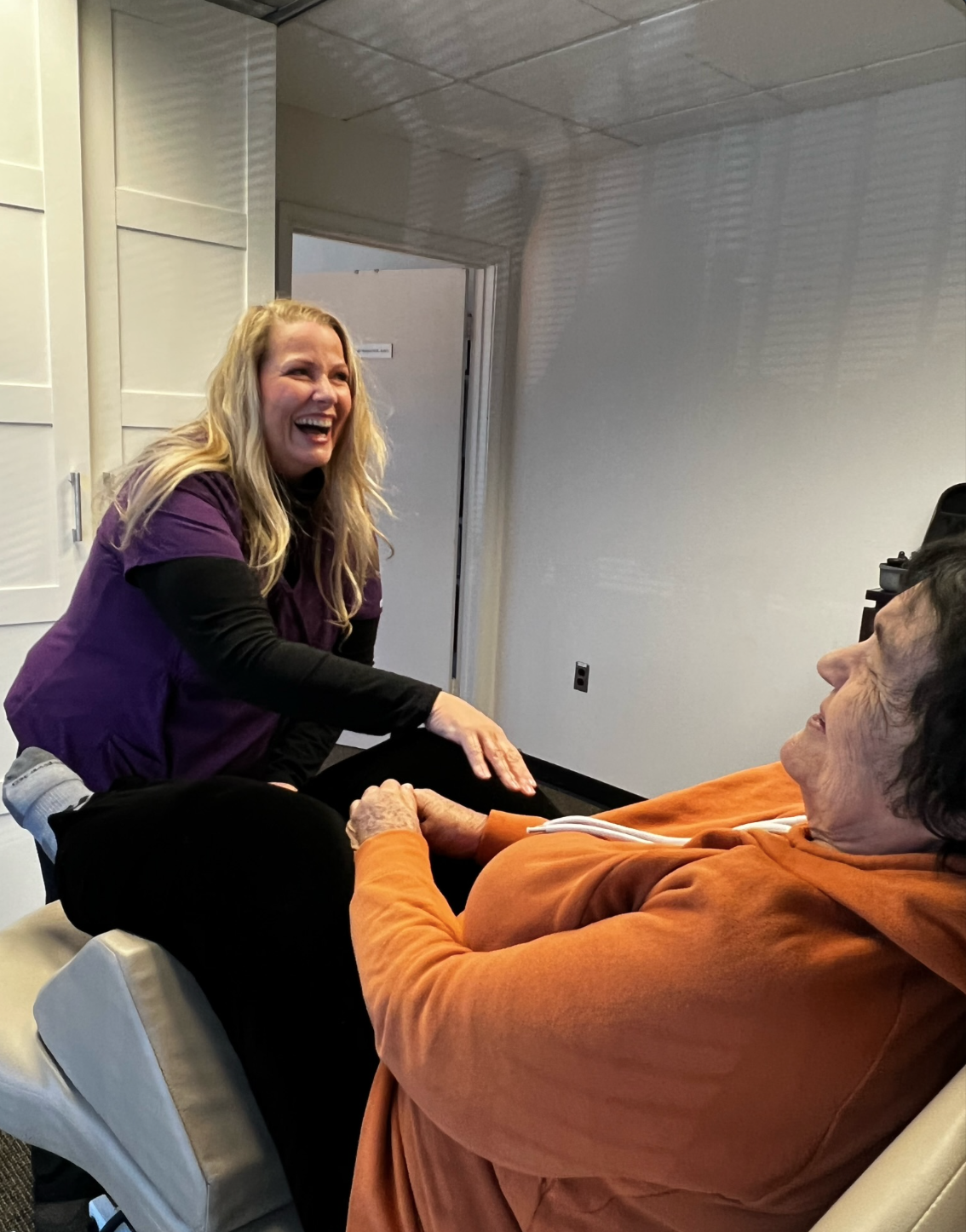
Recently I have had Psychologists referring patients in for Aromatherapy massage, which reduces stress while alleviating stress induced anxiety.
My morning was made when a patient walked in and exclaimed that her doctor has said she has "turned the corner!"
What is "Aromatheraphy Massage?" You ask?
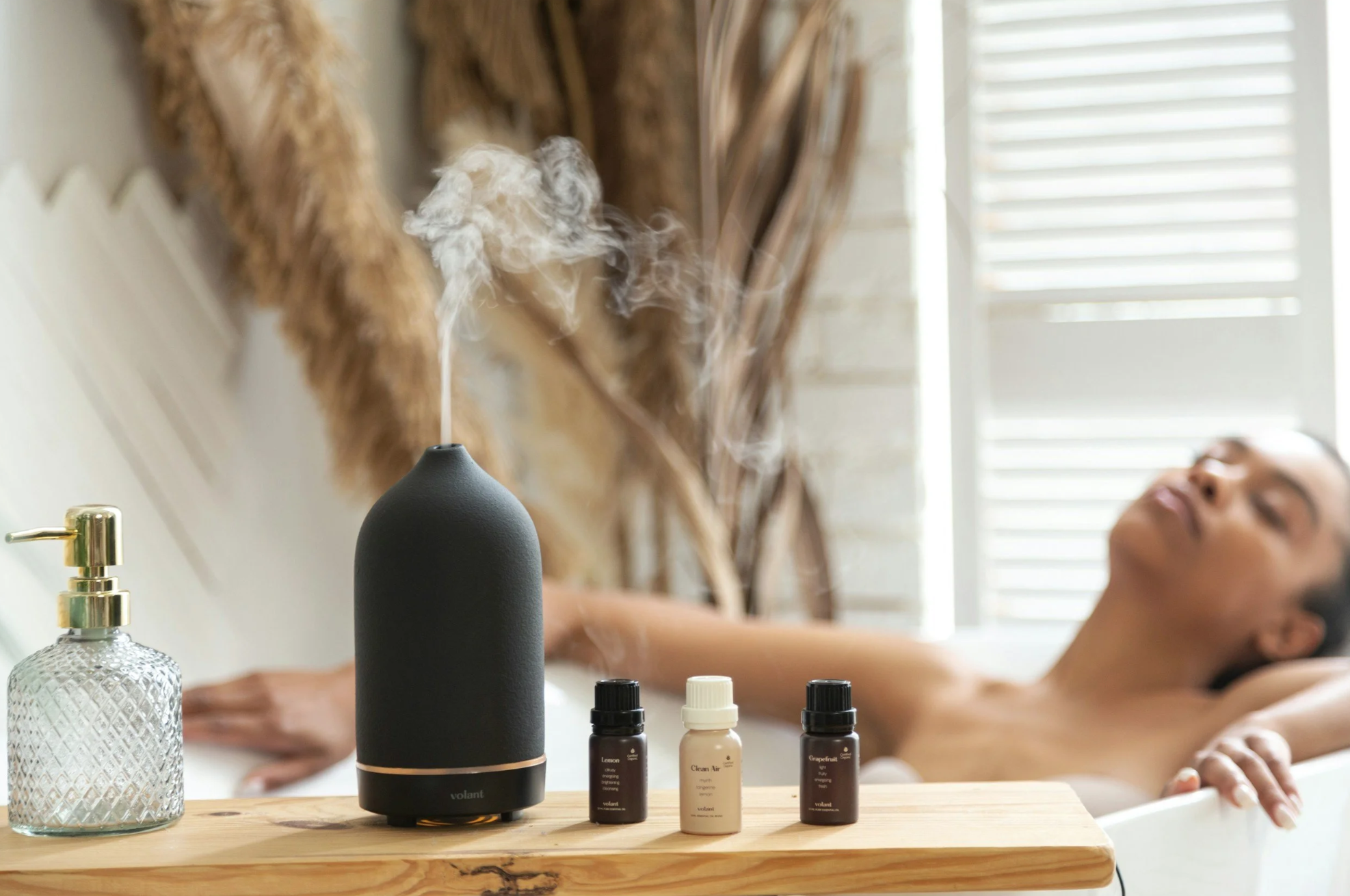
I use Aromatheraphy Oils, specific to what you need the day you come in, and the oils actually boost your immune system and enhance mental, physical and emotional energy!
AROMATHERAPY MASSAGE
The Science Behind Scent, the Nervous System, and Hands-On Healing
I have been incorporating aromatherapy into my massage practice for many years, and the results I observe consistently in my patients go well beyond what most people expect when they hear the word. Aromatherapy is often dismissed as pleasant-smelling indulgence. What the clinical research actually shows is something far more specific — and far more powerful.
What Aromatherapy Actually Is
Aromatherapy is the therapeutic use of volatile aromatic compounds extracted from plants — their essential oils — to produce measurable physiological and psychological effects in the human body. These are not fragrances. They are concentrated biochemical compounds that interact directly with your nervous system through the olfactory pathway — the only sensory system in the human body with a direct neural connection to the brain.
When you inhale an essential oil, aromatic molecules travel through the nasal passage and bind to olfactory receptor neurons. These neurons send signals directly to the olfactory bulb, which has immediate projections to the limbic system — the part of the brain responsible for emotion, memory, stress response, and autonomic nervous system regulation. Within that system, the amygdala is the primary structure at work. The amygdala processes threat, fear, and emotional memory. It is also one of the primary triggers of the fight-or-flight stress response — the physiological state that keeps so many of my patients locked in chronic tension, pain, hyperreactivity, and fatigue.
Essential oils that activate calming olfactory pathways can directly downregulate amygdala activity and shift the autonomic nervous system from sympathetic dominance — fight-or-flight — toward parasympathetic dominance, which is the state in which the body heals, repairs, digests, and restores. This is not anecdotal. Published research in journals including the Journal of Alternative and Complementary Medicine and Evidence-Based Complementary and Alternative Medicine has demonstrated measurable reductions in cortisol levels, heart rate, blood pressure, and anxiety following aromatherapy exposure, with lavender, bergamot, frankincense, and clary sage among the most consistently studied compounds.
Some essential oils also contain compounds — linalool in lavender, for example — that cross the blood-brain barrier and directly modulate GABA receptors, producing an effect on the nervous system comparable to certain pharmaceutical anxiolytics, without the dependency risk or cognitive dulling.
What I Choose and Why
I select oils specifically for each patient on the day they come in, based on what their body and nervous system appear to need in that session. There is no single formula I use on every person. A patient presenting with acute anxiety and adrenal exhaustion receives a different blend than a patient dealing with chronic pain and inflammatory tissue damage. A patient recovering from grief or emotional trauma receives a different combination than an athlete in recovery.
Some of the oils I work with most frequently in clinical practice:
Lavender — Broad-spectrum calming. Lowers cortisol, reduces pain perception, promotes parasympathetic response. Consistently supported in clinical literature for anxiety and sleep.
Frankincense — Deeply grounding. Shown to modulate inflammatory cytokines and support immune regulation. Particularly valuable for patients carrying significant emotional or stress burden.
Bergamot — Uplifting and regulating. Research has demonstrated significant reductions in anxiety and fatigue with bergamot inhalation. I use this frequently for patients with depression-adjacent presentations.
Peppermint — Stimulating and analgesic. Menthol activates cold-sensitive receptors that reduce pain signal transmission. Valuable in sessions addressing muscle pain, headaches, and sluggish circulation.
Clary Sage — Hormone-regulating and calming. Particularly relevant for female patients dealing with hormonal fluctuation, PMS, and perimenopausal symptoms. Has demonstrated direct cortisol-reducing effects in clinical study.
Eucalyptus — Anti-inflammatory and respiratory-opening. I use this in sessions where the patient presents with systemic inflammation, sinus congestion, or immune stress.
The Massage Itself
I am a licensed Medical Massage Therapist with over twenty years of clinical experience, and the massage I practice is not a standardized sequence of strokes. It is a clinical assessment and treatment that changes with every patient and every session.
When a patient comes in, I first evaluate their presenting concerns — where they are holding tension, what structures are restricted, what compensation patterns have developed, and what their nervous system is doing. That evaluation informs everything that follows.
The modalities I draw from are extensive, and I select from them based on what the tissue is telling me: Deep Tissue work for chronic muscular restriction and adhesion, Myofascial Release to address the fascial web that connects every structure in the body, Neuromuscular Therapy to interrupt the pain-spasm-pain cycle that perpetuates so many chronic pain patterns, Trigger Point Release to deactivate the hyperirretable nodules in muscle tissue that refer pain to distant sites, Lymphatic Drainage to reduce inflammation and support immune function, Active Release Technique for soft tissue injuries and nerve entrapment, Craniosacral Therapy for nervous system regulation and headache patterns, and Positional Release and Strain-Counter-Strain for acute and post-surgical presentations.
With aromatherapy integrated into this clinical work, the effect is compounded. The oils begin calming the amygdala and shifting the autonomic nervous system toward parasympathetic before my hands have done a single stroke. By the time I begin working in the tissue, the patient's nervous system is already beginning to release its grip — which allows the manual work to go deeper, produce longer-lasting change, and require less force to achieve meaningful results.
I have had psychologists refer patients to me specifically for aromatherapy massage when the body has been so locked in sympathetic overdrive that talk therapy alone cannot access the level of regulation the patient needs. I have seen patients leave sessions reporting that their doctor said they had "turned the corner." I have watched people walk in with their shoulders at their ears and walk out with their nervous systems finally, genuinely quiet.
The oils set the stage. The hands do the clinical work. Together, they produce something that neither achieves alone.
→ Book your Aromatherapy Massage session with me at Superlative Health in Burke, Virginia →